





Draw copper wire to the required fine-wire size
Reduce incoming wire through a sequence of drawing dies before conductor bunching or another cable-making process. Start with the input wire condition and the required finished diameter.
Position in your production line
How this operation works
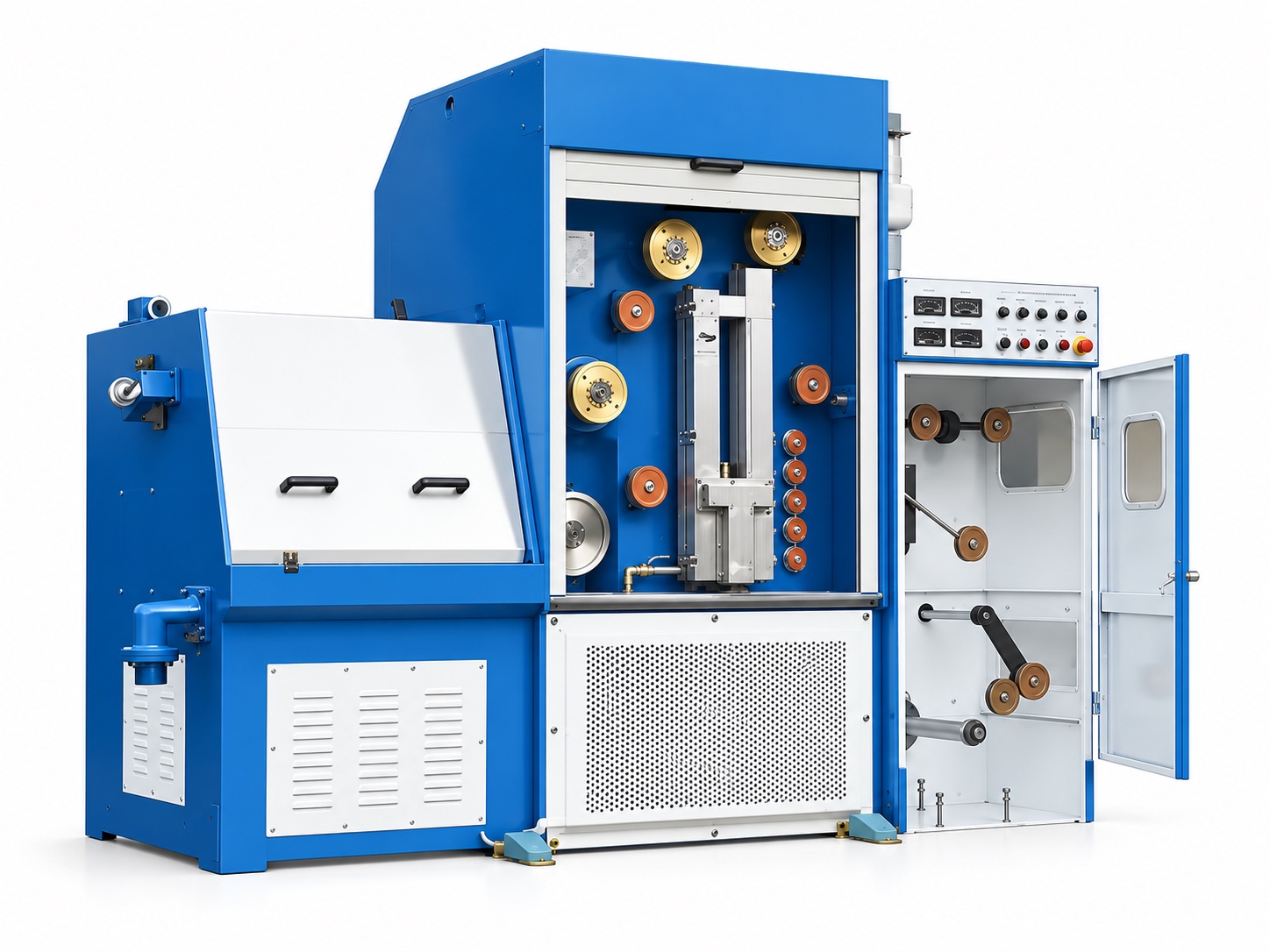
The machine reduces prepared wire through successive drawing dies to make the fine wire needed by the next conductor process. The input and output sizes determine the drawing duty; annealing and collection are specified according to the required finished-wire condition.
- Wire range
- Compare minimum and maximum input and output sizes, including the sizes used most often.
- Surface and condition
- Agree dimensional, surface and finished-wire condition checks.
- Handling
- Confirm the number of wires, reel dimensions and downstream pay-off arrangement.
Compare the selection references
Horizontal fine-wire drawing
Use the equipment family to establish the process fit.
Confirm the operating range
The quotation will define dimensions, operating values and equipment scope for your supplied construction.
The catalog identifies a horizontal fine-wire drawing family with a dual-inverter arrangement. Die count, speed, motor ratings and dimensions are confirmed for the selected build.
Select around your actual product
Diameter range
Provide minimum and maximum incoming and finished wire diameters. Identify the sizes used most frequently.
Wire condition
State the incoming temper and the finished wire condition, surface quality and dimensional tolerance.
Output and take-up
Give the production target, number of wires and reel dimensions. Compare output at the requested wire size.
Utilities and next process
Provide available power, cooling and floor space. State whether the wire goes to annealing, bunching or direct insulation.
Define what your quotation includes
- Drawing machine and proposed die schedule/tooling scope.
- Input handling and take-up package.
- Annealing requirement and process interfaces.
- Cooling arrangement, electrical load, controls and site layout.
State whether this is a new line, an additional machine or an upgrade. Include existing equipment interfaces so the offer covers the connections that matter.
From your requirement to the agreed equipment
Use these review steps to compare proposals and agree responsibilities for this machine.
01Define your requirement
Compare minimum and maximum input and output sizes, including the sizes used most often. Agree dimensional, surface and finished-wire condition checks. Identify whether this is a new line, an additional machine or an upgrade.
02Review the configuration
Compare the proposed working range, included machines, tooling and reel interfaces. Record optional items and customer-side utilities before agreeing the quotation.
03Agree the acceptance checks
Set the trial material, operating point and acceptance method for wire range; surface and condition; handling. Identify which checks require samples or records and who provides them.
04Plan delivery and handover
Confirm packing, delivery terms, site preparation and any agreed installation or training scope. Identify operating documents, maintenance information and the machine-specific spare-parts list.
Continue your equipment selection
Intermediate Wire Drawing Machine for Copper Rod
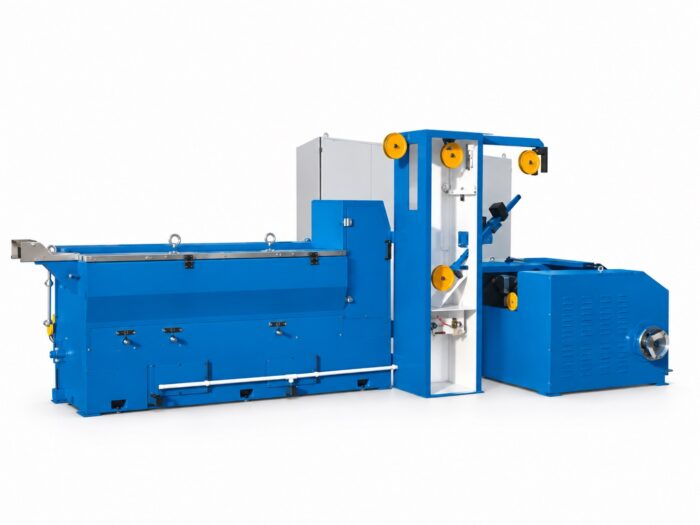
Select a copper-wire drawing arrangement from the incoming material and the finished wire specification. Include any annealing requirement and downstream package constraints in the same review.
Wire Annealing and Tinning Machine
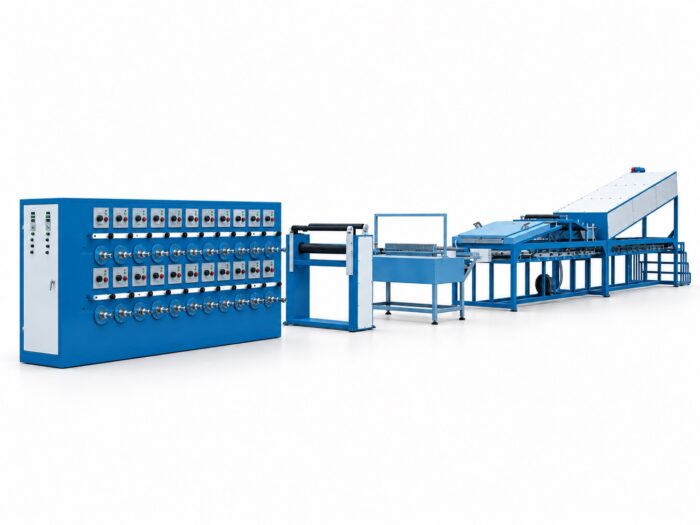
Specify annealing and surface tinning when the conductor design requires that wire condition and coating. This is a wire-finishing stage; the incoming wire is already drawn to size.
Double-Twist Fine-Wire Bunching Machine
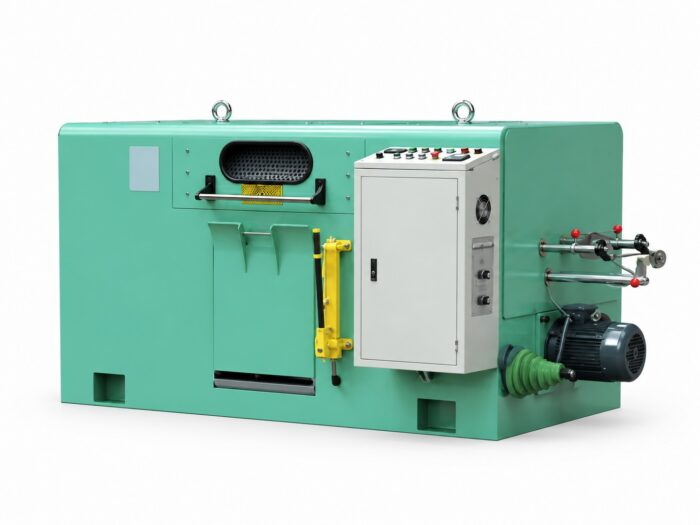
Review the compact HK-HST-200, HK-HST-250 and HK-HST-300 family for fine-wire conductor work. Select from the single-wire diameter, number of ends, finished construction and lay.
Explore the cable production equipment overview to place this machine in the wider production route.
Questions before choosing this machine
Is fine-wire drawing the same as bunching?
No. Drawing reduces individual wire diameter. Bunching subsequently combines several wires into a conductor.
Is an annealer included?
Include the required finished temper in the enquiry. The quotation should state whether annealing equipment is included and how it connects to the drawing process.
Can I select the machine from finished diameter alone?
The input size and condition also matter. Share the incoming wire, finished tolerance, production target and take-up package.
Tell us what you need.
Ask for a quotation, check a specification or get help selecting equipment.
EquipmentFine Wire Drawing Machine
 English
 Русский
 हिन्दी
 한국어
 বাংলা
 Bahasa Indonesia
 Tiếng Việt
 മലയാളം
 Português do Brasil
 العربية
 فارسی