
Category: Knowledge
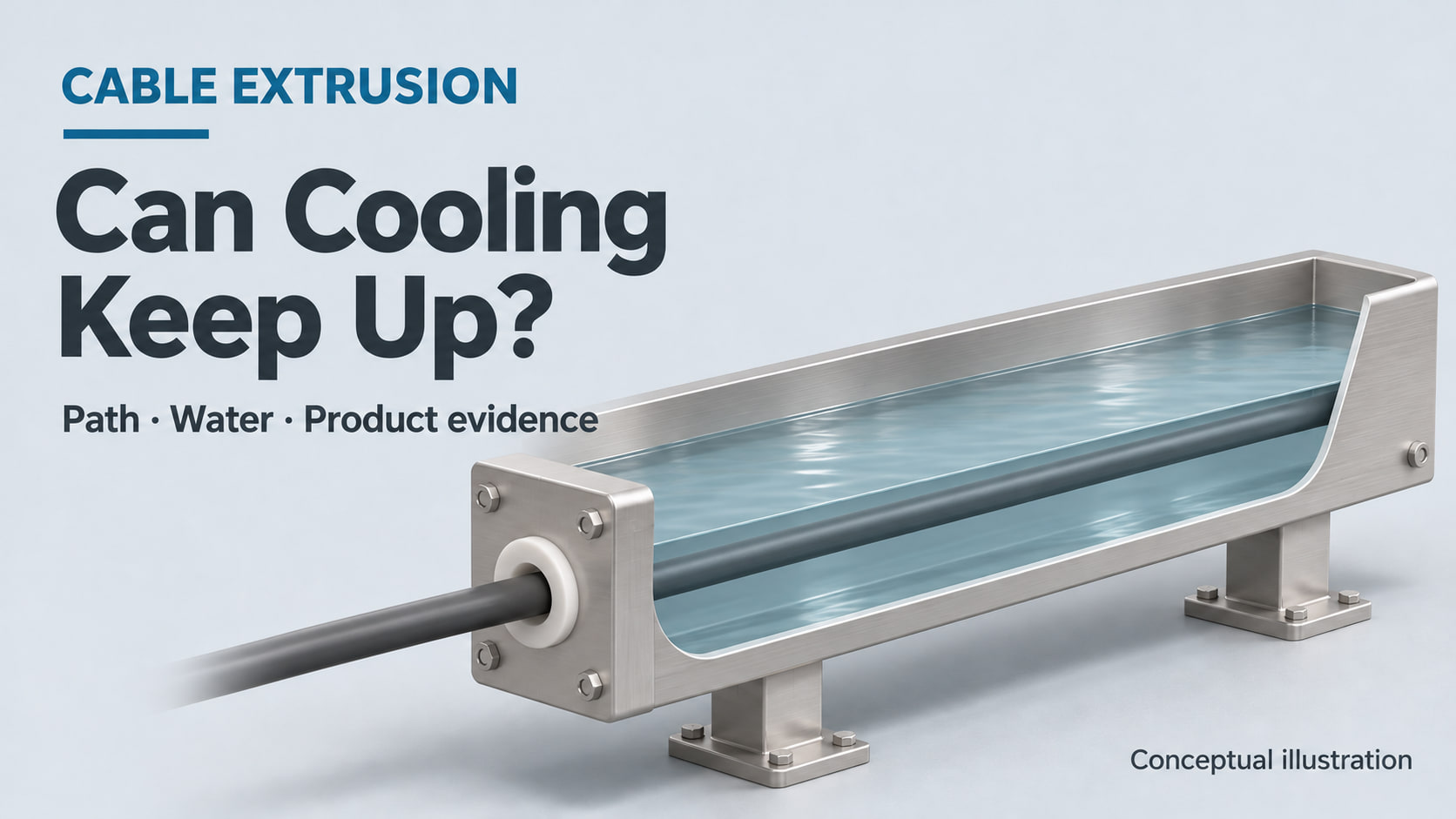
Compare cable extrusion cooling by product path, water conditions and measurement positions before accepting a line speed or changing a trough.
Compare cable extrusion changeovers by material path, purge scope, transition length and first accepted output, not color alone or a short demonstration.
Compare UV-lamp and LED fiber coloring by ink grade, curing conditions, line interfaces and test evidence before choosing or changing equipment.
Trace optical cable defects through identified samples, comparable measurements and process-stage evidence before accepting a change or releasing a drum.
A screw diameter is not a finished-cable output guarantee. Build a product envelope, calculate polymer demand and verify the limiting stage before accepting a machine size.
Indoor and outdoor fiber cable routes must be specified for their target constructions. A shared extrusion screw does not qualify an indoor line for an outdoor product.
An AWG number does not define a complete machine input. Separate conductor construction, individual-wire size, actual outside diameter, reel geometry and test evidence before comparing equipment.
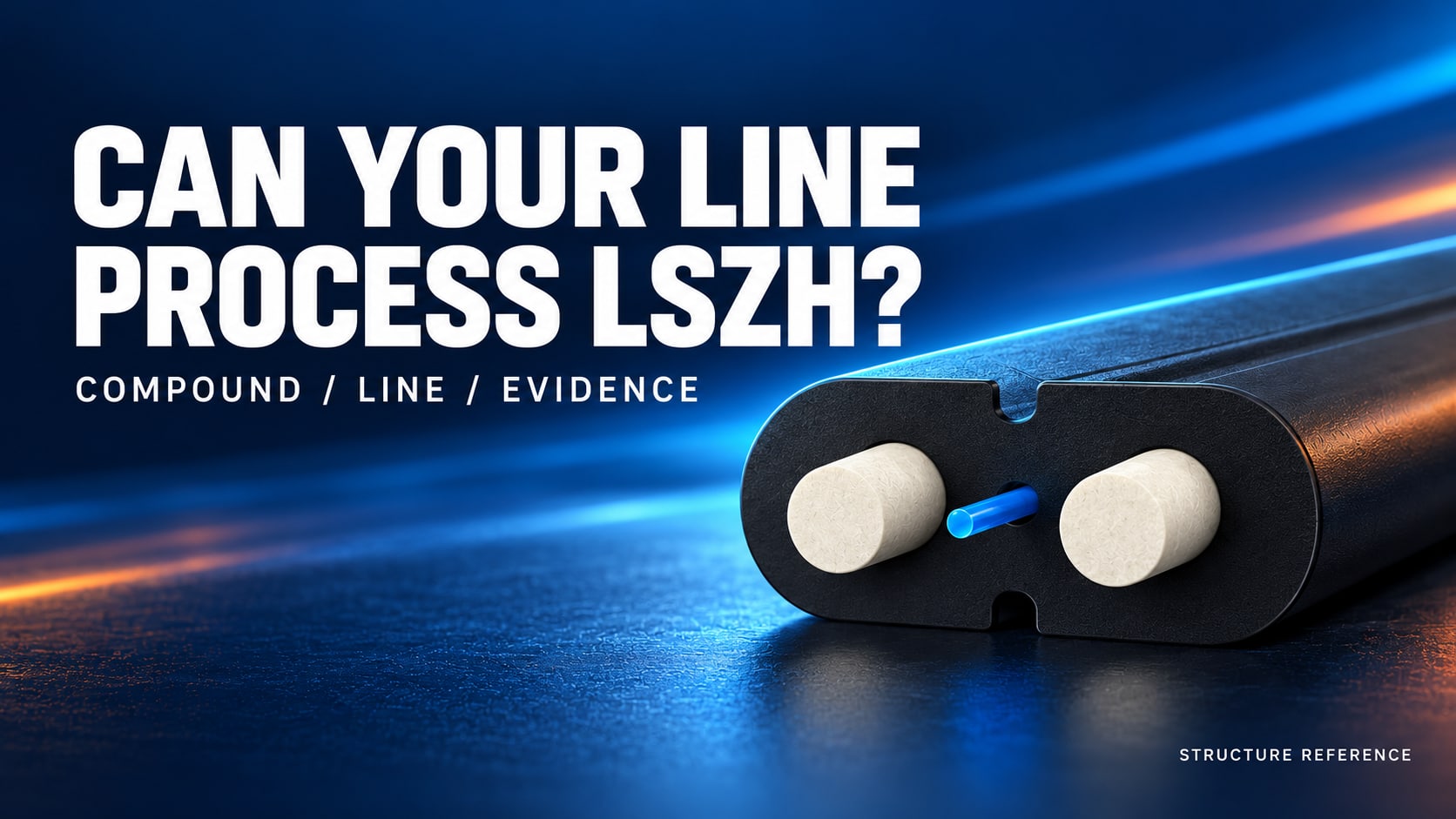
Review LSZH cable claims, compound grades, existing extrusion equipment and trial evidence before accepting a line conversion or production promise.
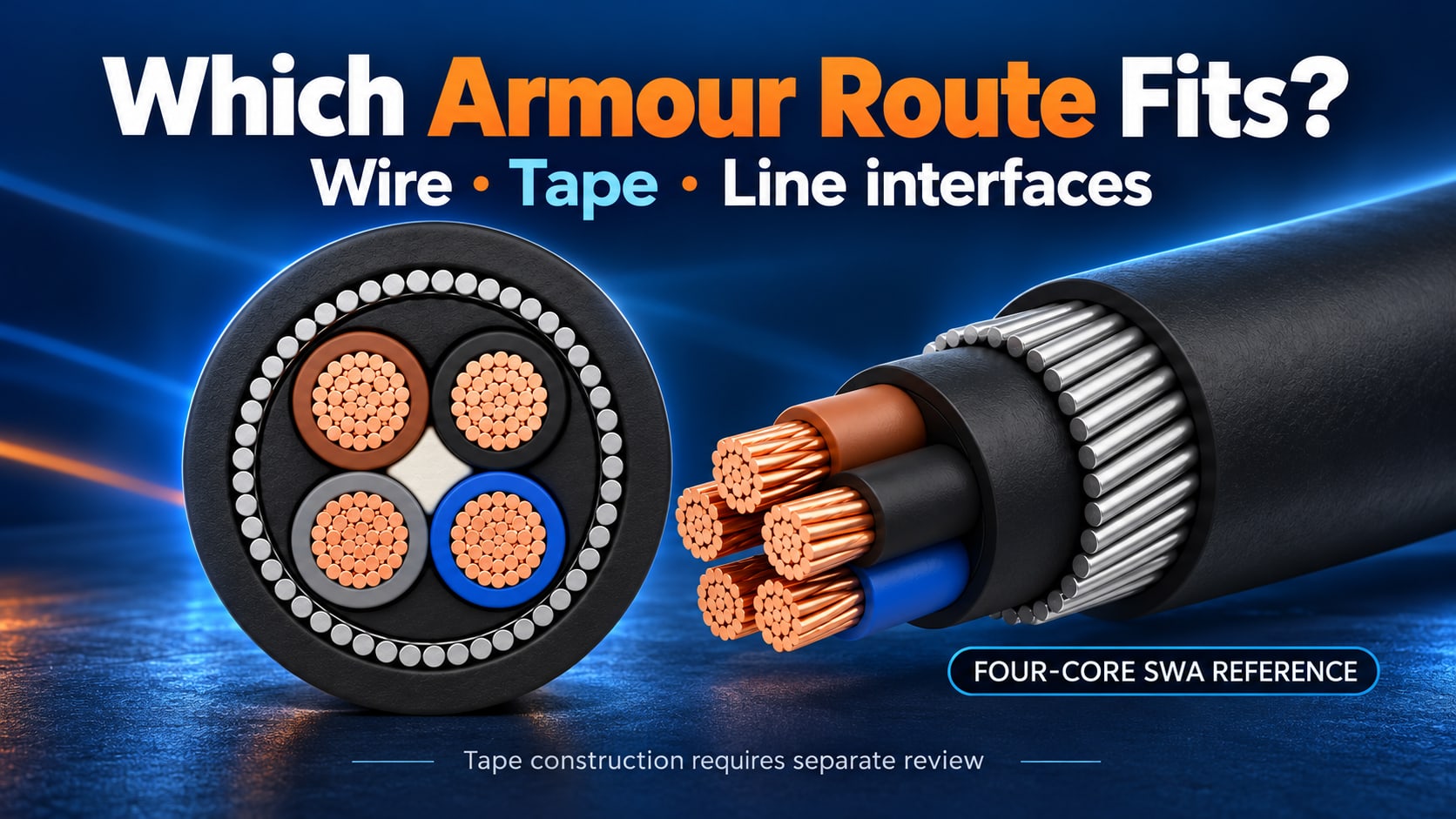
Define wire or tape armour, process handovers, material packages and evidence before comparing power-cable armouring equipment or a retrofit route.
A factory planning guide to separate in-line monitoring, electrical and material tests, laboratory capacity and the evidence needed to release a finished cable drum.
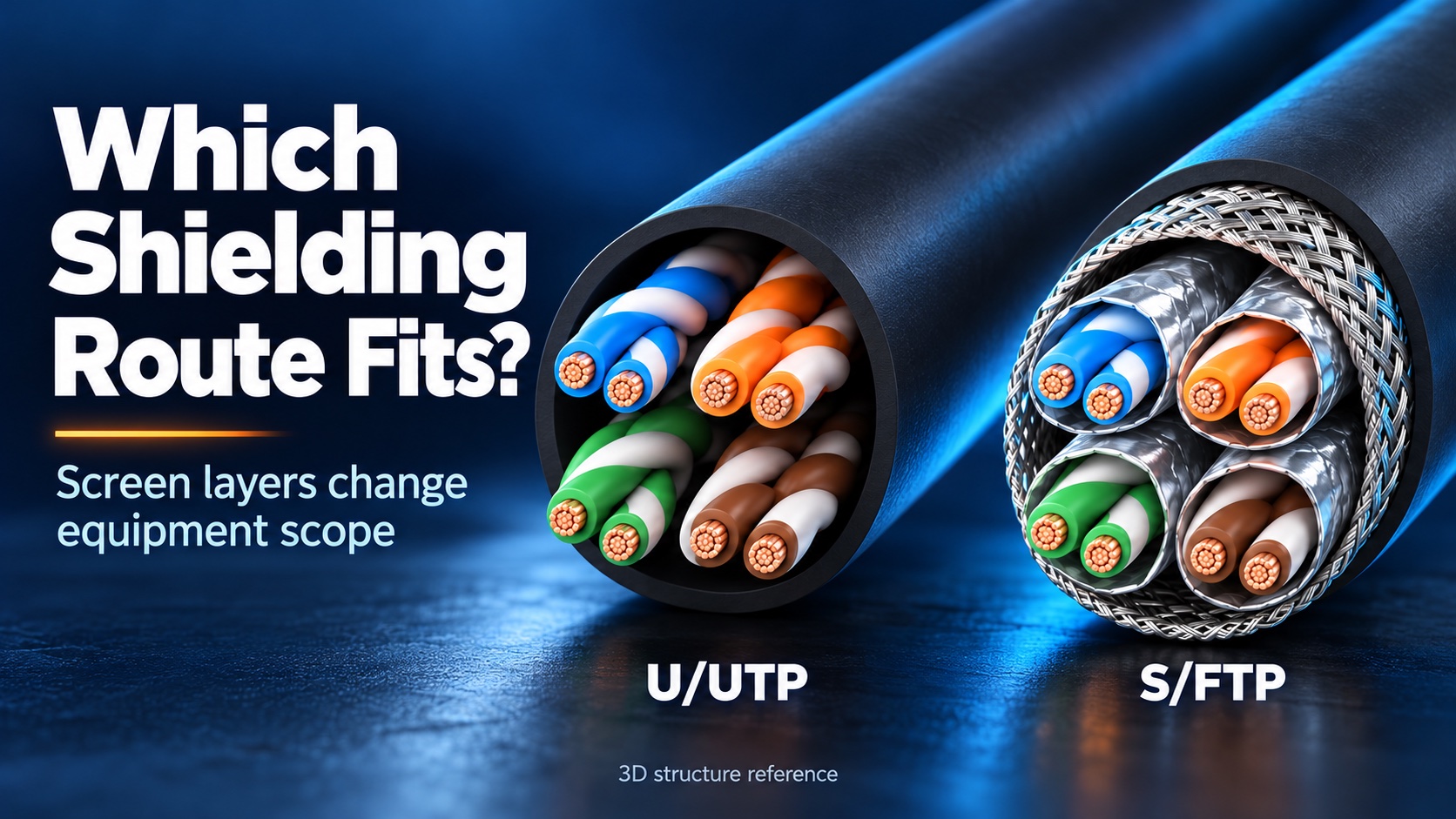
Compare the shielding layers, added process stages, capacity basis and trial evidence before expanding an unshielded LAN cable factory.
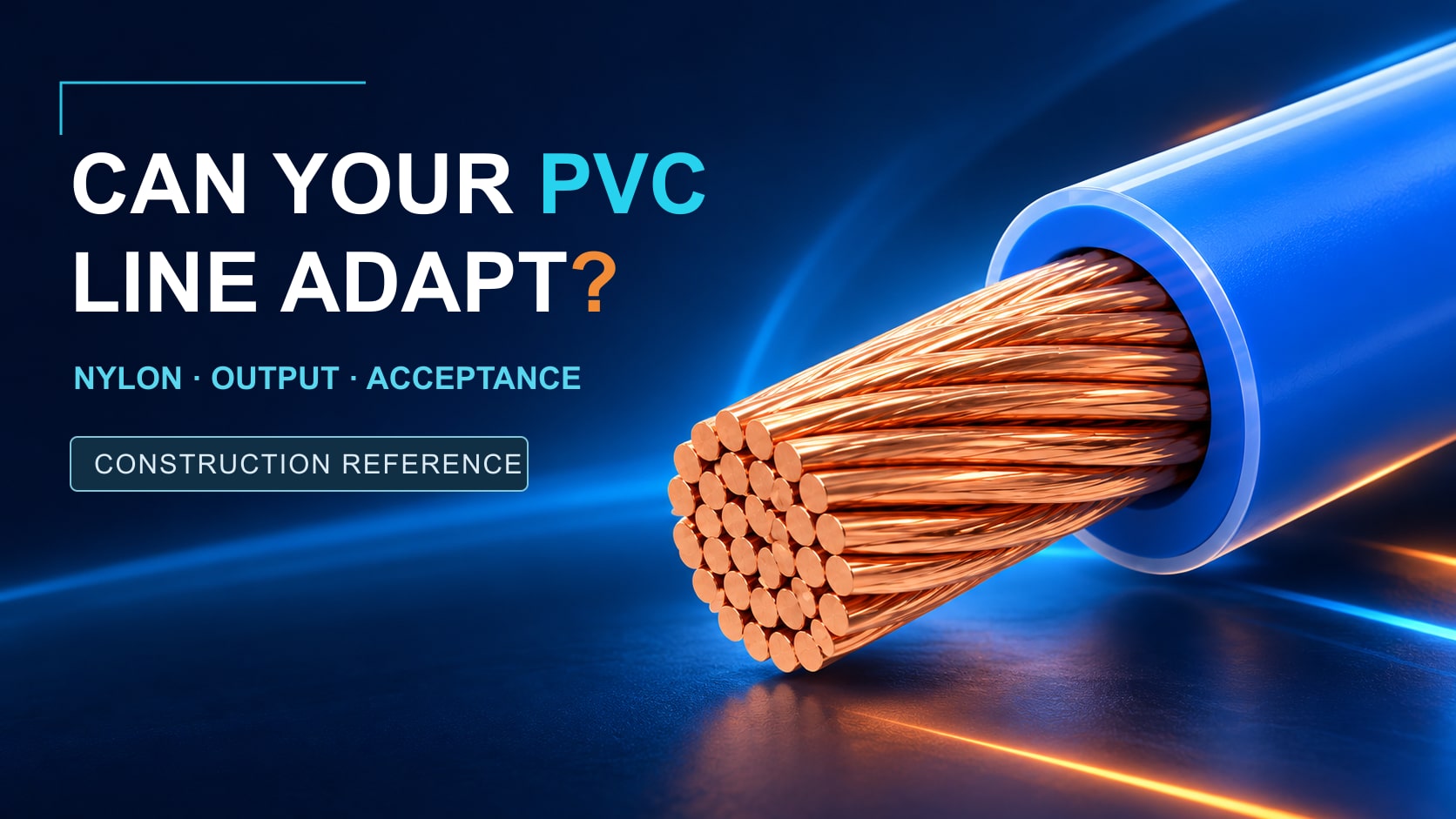
Match conductor diameters, PVC and nylon wall requirements, material-specific extrusion duties and sample-linked acceptance evidence before selecting a line.