












কেবল উৎপাদন সরঞ্জাম নির্বাচন একটি উচ্চ-ঝুঁকিপূর্ণ সিদ্ধান্ত। সঠিক লাইন স্থিতিশীল মান, ভবিষ্যদ্বাণীযোগ্য আউটপুট এবং আপনার বোর্ড যে পেব্যাক সময়সীমা গ্রহণ করতে প্রস্তুত সেটি প্রদান করে। ভুল পছন্দ অতিরিক্ত স্ক্র্যাপ, দীর্ঘস্থায়ী ডাউনটাইম এবং লুকানো খরচ নিশ্চিত করে। আপনি যদি আপনার প্রথম কারখানা শুরু করছেন, পুরনো লাইনগুলি আপগ্রেড করছেন, বা টার্নকি অংশীদারদের তুলনা করছেন, তবে এই চেকলিস্টটি ব্যবহার করুন যাতে বিক্রেতাদের পরিমাপযোগ্য ও যাচাইযোগ্য মানদণ্ডের মাধ্যমে পরীক্ষা করা যায়।.
10 m এর প্রশ্ন (এবং কিভাবে যাচাই করবেন)
1. সঙ্গতি এবং নিরাপত্তা: আপনি কি আমাদের লক্ষ্য বাজারের জন্য সম্পূর্ণ সঙ্গতির প্রমাণ প্রদান করতে পারেন?
এটি কেন গুরুত্বপূর্ণ: আইনগত স্থাপন এবং কর্মচারীর নিরাপত্তা প্রযোজ্য যন্ত্র এবং বিদ্যুৎ মানদণ্ডের সঙ্গতির উপর নির্ভর করে।.
কী জিজ্ঞাসা করবেন:
-
EU: নিয়মের অধীনে সঙ্গতির ঘোষণা (EU) 2023/1230 (ঝুঁকি মূল্যায়ন এবং প্রযুক্তিগত ফাইল সূচি সহ)। জানুয়ারি 19 এর আগে স্থাপন করলে, 2027, নির্দেশিকা 2006/42/EC এর প্রযোজ্যতা নিশ্চিত করুন।.
-
বিদ্যুৎ নিরাপত্তা: IEC 60204‑1 (বা উত্তর আমেরিকায় NFPA 79); ISO 13849‑1/IEC 62061 অনুযায়ী কার্যক্ষমতা নিরাপত্তা।.
-
EMC: শিল্প পরিবেশের উল্লেখ সহ পরীক্ষার রিপোর্ট (যেমন, IEC 61000‑6‑2/‑6‑4)।.
কিভাবে যাচাই করবেন:
-
সঙ্গতির কাগজপত্র এবং স্বীকৃত পরীক্ষার রিপোর্ট পর্যালোচনা করুন। অফিসিয়াল উৎসের সাথে পরিসর এবং সংস্করণের বছর পরীক্ষা করুন, যেমন EU এর যন্ত্র নিয়মের ওপর পৃষ্ঠা এবং EMC নির্দেশিকা। উদাহরণস্বরূপ, EU গাইডলাইন অফিসিয়াল ওভারভিউতে নতুন যন্ত্র নিয়মের সময়সূচী নিশ্চিত করে: ইউরোপীয় ইউনিয়নের সারাংশ দেখুন EU‑OSHA সংক্ষিপ্ত বিবরণী নিয়ম (EU) 2023/1230 এবং কমিশনের পৃষ্ঠা EMC নির্দেশিকা 2014/30/EU.
2. রেট করা পণ্যে কর্মক্ষমতা: লাইনটি চুক্তিগত গতিতে স্থিতিশীল মাপ এবং নিয়ন্ত্রিত বর্জ্য অর্জন করবে কি?
এটি কেন গুরুত্বপূর্ণ: নামপ্লেট গতি অর্থহীন যদি লাইনটি সেই গতিতে সহনশীলতা বজায় রাখতে না পারে।.
কী জিজ্ঞাসা করবেন:
-
পণ্যের ধরন অনুযায়ী চুক্তিগত লাইন গতি (যেমন, PVC/PE/XLPE বিদ্যুৎ বিচ্ছিন্নকরণ বা আবরণ; সাধারণ পরিবাহী আকার) এবং পরিবর্তনের সময় লক্ষ্য (উপাদান/রং/টুলিং)।.
-
স্থিতিশীলতার মানদণ্ড: তাপনের সময় অনুমোদিত বর্জ্য, স্থির অবস্থার পরিবর্তনের সীমা এবং বৃদ্ধির বক্ররেখা।.
কিভাবে যাচাই করবেন:
-
চুক্তিগত পণ্যে FAT/SAT চালান করার প্রয়োজন, যা একসাথে গতি এবং গুণগত মান প্রদর্শন করে। গ্রহণযোগ্যতা প্রোটোকলে ট্রেসযোগ্য যন্ত্র ব্যবহার করে প্রমাণ সংগ্রহ করুন, এবং এই ব্যবহারিক গাইডের মতো সেরা অনুশীলন অনুসরণ করুন: একটি সফল FAT চালানোর.
3. গুণগত নিয়ন্ত্রণ ক্ষমতা: আয়তনিক এবং বিদ্যুৎ গুণগত মান কিভাবে অনলাইনে পর্যবেক্ষণ করা হয়?
এটি কেন গুরুত্বপূর্ণ: কেন্দ্রীভবন, উপবৃত্তাকারতা এবং দেয়ালের পুরুত্ব বিদ্যুৎ কর্মক্ষমতা, পুনরায় কাজ এবং ফলাফল নির্ধারণ করে।.
কী জিজ্ঞাসা করবেন:
-
In‑line gauges: thickness and concentricity control; closed‑loop capability and Cp/Cpk baselines at rated speeds.
-
Electrical integrity: spark test settings and standards (e.g., IEC 62230 or UL 1581) and downstream HV tests per product standard.
কিভাবে যাচাই করবেন:
-
Request sample Certificates of Analysis and recent FAT data. Confirm test method anchors align with recognized methods such as the material test methods in the IEC 60811 series. Ensure acceptance criteria map to your product standards (e.g., IEC 60502‑1 for LV cables).
4. Energy intensity and utilities: What’s the expected kWh/kg (or kWh/km), and what utilities does the line require?
Why it matters: Energy is a major operating cost; missing utilities cause delays and unstable quality.
কী জিজ্ঞাসা করবেন:
-
Energy: indicative specific energy for insulation/jacketing at target throughput; measurement method at FAT/SAT.
-
Utilities: OEM tables for power (kVA), compressed air (bar and Nm³/h), water flow and temperature (L/min @ °C), and HVAC guidance.
কিভাবে যাচাই করবেন:
-
Treat 0.3–1.5 kWh/kg as a reasonable extrusion context range depending on polymer and throughput, then measure at acceptance. This framing aligns with bandwidth analyses summarized by the U.S. Department of Energy’s Plastics & Rubber bandwidth study (2017). Require the vendor to provide utility tables in the proposal and confirm on site.
5. OEE and digital readiness: Can the line feed your MES/SCADA and support clean OEE baselining?
Why it matters: Without trustworthy data, you can’t improve throughput, reduce micro‑stops, or manage quality trends.
কী জিজ্ঞাসা করবেন:
-
OEE: alignment to standardized definitions (Availability × Performance × Quality) and capture of top loss codes.
-
Interoperability: OPC UA tag list (server model), historian mapping, and time synchronization method (NTP or PTP/IEEE 1588).
কিভাবে যাচাই করবেন:
-
Inspect a sample tag catalog and a data dictionary. Ask for a one‑page diagram of how the line publishes to your plant systems.
6. Secure remote diagnostics: How will remote access be controlled and audited?
Why it matters: Remote service reduces MTTR, but unmanaged access creates cybersecurity risk.
কী জিজ্ঞাসা করবেন:
-
Controls aligned to IEC/ISA 62443: multi‑factor authentication, encryption, role‑based access, time‑bound sessions, audit logs, and DMZ placement.
-
Ownership: who administers accounts and logs; emergency revoke procedures.
কিভাবে যাচাই করবেন:
-
Review the vendor’s remote support architecture against a recognized quick guide like ISA’s introduction to IEC 62443 security for industrial automation and control systems. Simulate a support session during FAT or early SAT and confirm logs capture the interaction.
7. Integration, layout, and tension control: Will the supplier support whole‑plant planning and line synchronization?
Why it matters: Poor layout, utilities, or tension control causes chronic micro‑stops and dimensional drift.
কী জিজ্ঞাসা করবেন:
-
Plant layout review covering foundations/anchoring, utilities routing, material flow, and safety zoning.
-
Upstream/downstream compatibility: pay‑offs, capstans/caterpillars, take‑ups, and master/slave drive coordination with defined tension windows.
কিভাবে যাচাই করবেন:
-
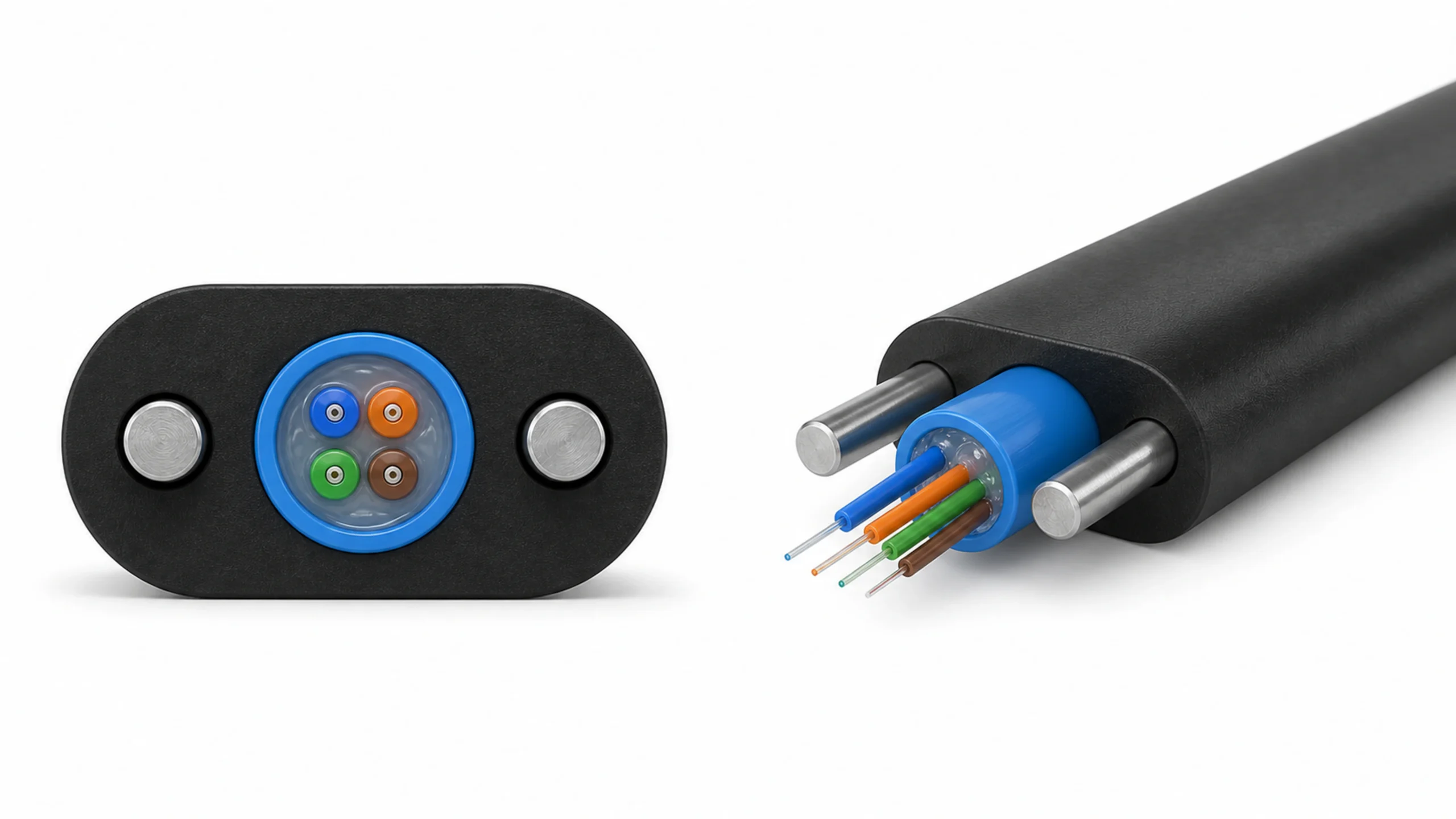
Request a layout drawing pack and a tension‑control narrative that explains speed references, feedback, and hand‑off between units. If you want a starting point on whole‑plant scoping, see this overview of a টার্নকি অপটিক্যাল কেবল উৎপাদন সমাধান.
8. Maintenance, spares, and reliability: What are the MTBF/MTTR targets and spare‑parts lead times?
Why it matters: Availability hinges on planned maintenance discipline and prompt spares.
কী জিজ্ঞাসা করবেন:
-
Preventive maintenance plan (daily/weekly/monthly/annual) and training scope for your team.
-
Reliability baselines: MTBF/MTTR by subsystem (drives, heaters, capstans, take‑ups, PLC/HMI) and on‑board diagnostics.
-
Spares: critical spares list, minimum on‑site kit, OEM stocking commitments, and lead times for long‑lead items.
কিভাবে যাচাই করবেন:
-
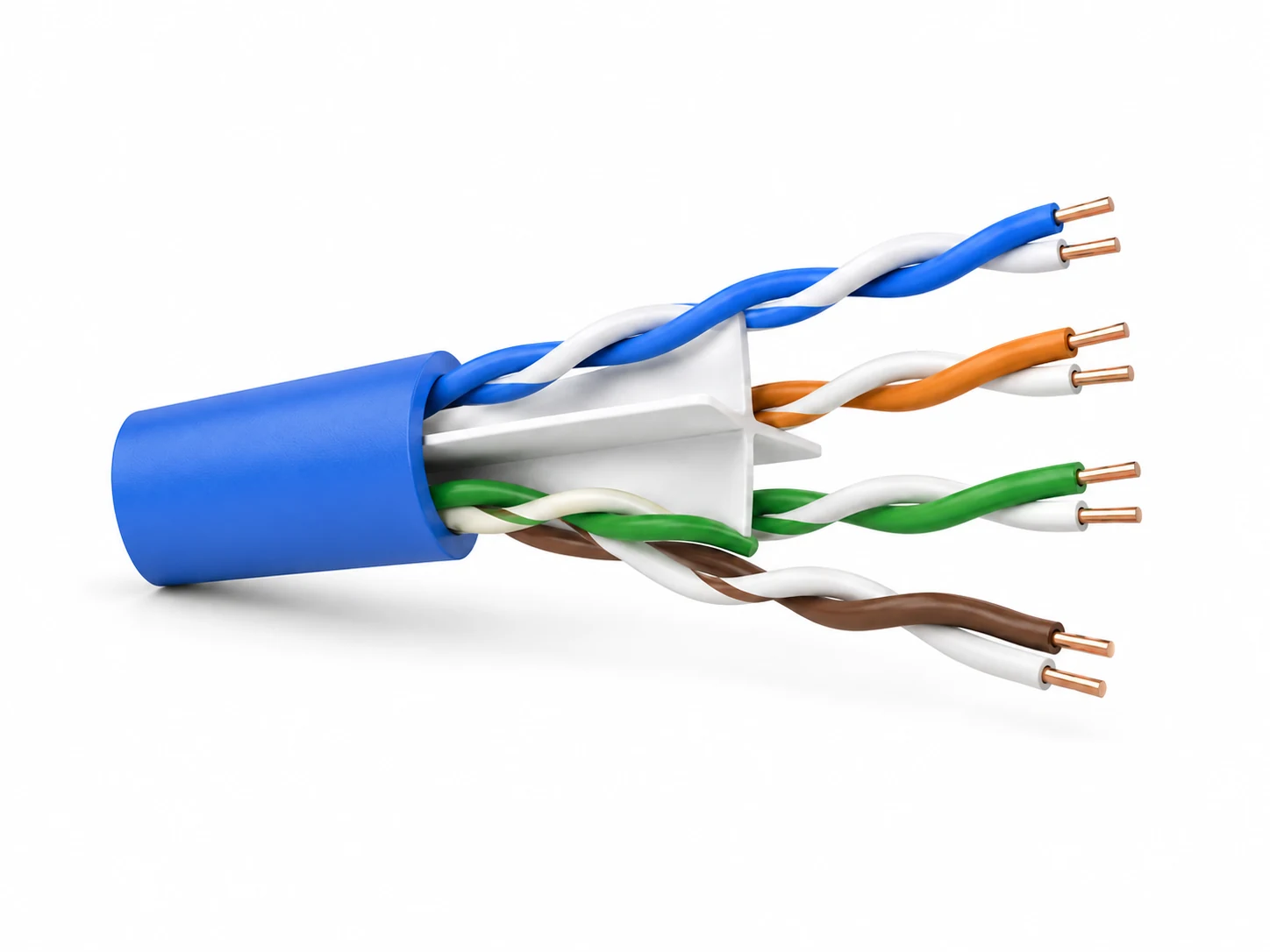
Bake availability targets into the contract (Availability = MTBF ÷ [MTBF + MTTR]). Confirm documentation, spare catalogs, and training sign‑offs at SAT. For context on line categories and support scope, this পাওয়ার ক্যাবল তৈরি করতে আপনার কী কী যন্ত্রপাতির প্রয়োজন? guide helps frame critical assemblies.
9. Financials: Can you model TCO and ROI with real inputs and sensitivity?
Why it matters: Purchase price is only one line in a multi‑year cost model.
কী জিজ্ঞাসা করবেন:
-
TCO model covering CAPEX, energy, consumables, maintenance, staffing, scrap/rework, downtime, calibration/QA, licenses, and financing.
-
ROI/NPV/IRR scenarios for different automation levels; sensitivity to energy, labor, scrap, and downtime frequency.
কিভাবে যাচাই করবেন:
-
Tie milestone payments to FAT/SAT performance. Use conservative assumptions and verify vendor inputs during acceptance. For helpful context on the structure of a fiber line cost model, see the fiber‑optic cable production line cost guide.
10. Delivery, acceptance, and training: What does “done” look like at FAT/SAT, and who will be trained?
Why it matters: Clear acceptance criteria prevent disputes and ensure a controlled start‑up.
কী জিজ্ঞাসা করবেন:
- FAT plan with calibrated instruments, acceptance thresholds (line speed at product X, concentricity %, wall‑thickness tolerance within standard, spark test no‑break at Y kV, changeover ≤ T minutes, energy ≤ E kWh/kg at S m/min), and exception handling.
- SAT plan for your site conditions, including a ramp‑up curve with scrap ceilings and operator/maintenance training with competency sign‑offs.
কিভাবে যাচাই করবেন:
- Base your protocol on recognized practice; this practical explainer on একটি সফল FAT চালানোর is a good checklist to align teams before travel. Ensure multilingual manuals, spare catalogs, electrical/pneumatic schematics, and post‑start‑up refresher training are included.
Practical example — turning layout and utilities into a plan you can execute
Disclosure: HONGKAI is our product.
Suppose your new fiber line must fit a 60‑meter bay with limited chilled‑water capacity. A typical turnkey engagement starts with a draft layout showing pay‑offs, extruder, cooling troughs, capstans, and take‑up positions, plus a utilities table (kVA, Nm³/h @ bar, L/min @ °C). After a walkthrough, the plan iterates to reroute cable trays, add vibration anchoring for the take‑up, and specify HVAC tweaks to stabilize extrusion temperatures. The acceptance pack then maps each utility to commissioning checks, so during SAT your team verifies flow, pressure, and temperature at the actual connection points before the first product run.
A few pitfalls to avoid
- Signing a purchase order before aligning acceptance criteria. If “speed” or “quality” isn’t quantified, you’ll debate it later on the shop floor.
- Overlooking data ownership and time sync. If the vendor’s PLC timestamps drift or data models can’t be mapped, OEE and traceability will stall.
Ready to move from questions to an executable plan?
- Book a plant‑planning consultation to review your layout, utilities, and acceptance criteria: https://hkcablemachine.com/turnkey-optical-cable-production-solution/
- Or request a customized ROI/capacity calculator for your products and demand plan: https://hkcablemachine.com/fiber-optic-cable-production-line-cost/