









• Home
  • About
    • PRODUCTS & PRODUCTION

      Find your next production step.

      Production lines

      Start with the cable you want to make.

      Fiber optic cable lines

      Equipment for optical cable manufacture

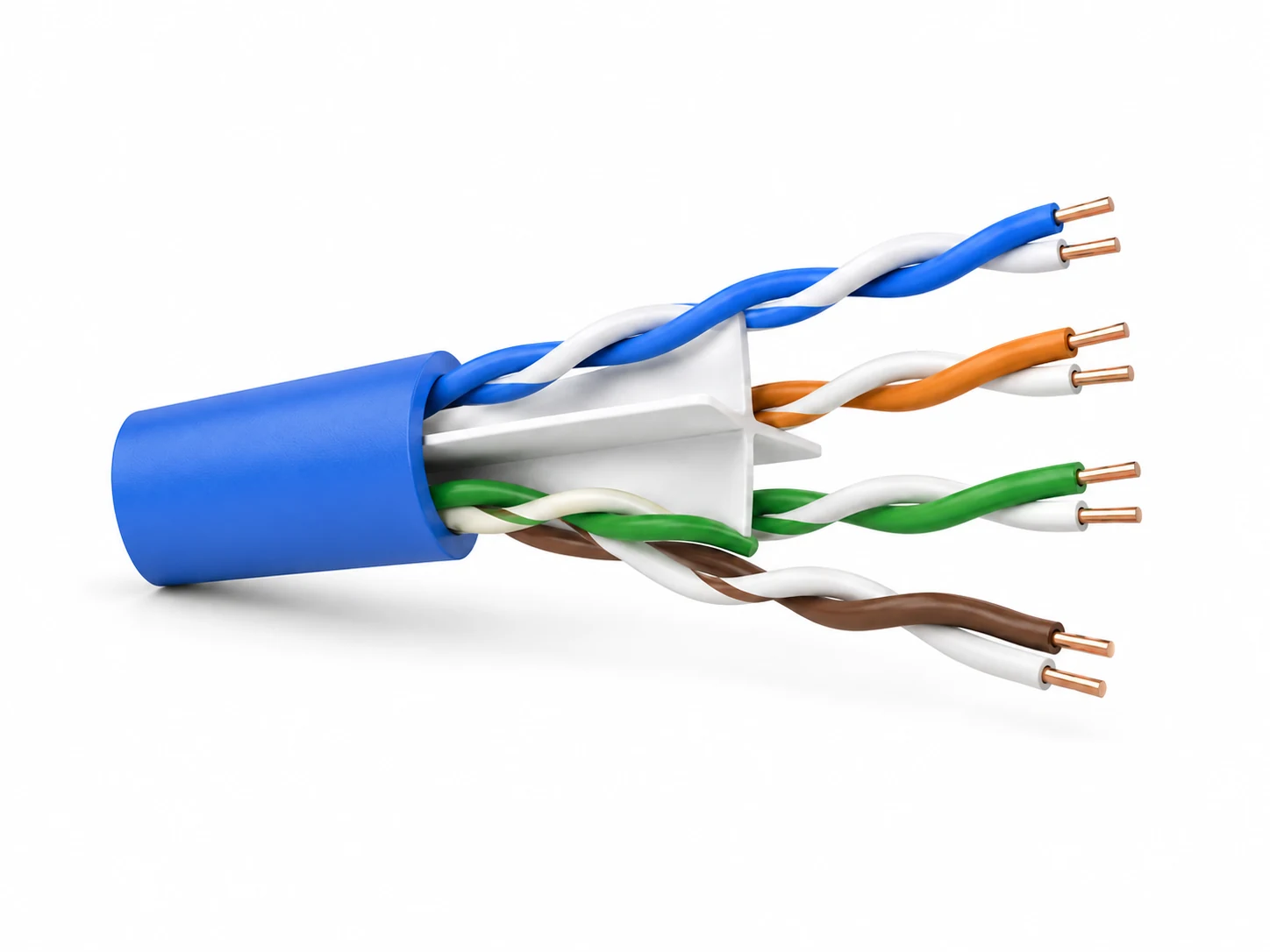
      LAN cable lines

      Equipment for twisted-pair cable

      Electric cable machinery

      Machinery for insulated wire and cable

      Spare Parts & Support

      Replacement parts for HONGKAI machinery.

      Browse Spare Parts

      Explore parts by production line

      Identify Your Part

      Check photos, nameplates and part numbers

      Request a Parts Quote

      Send machine details, photos and quantity

      Cable & materials

      Explore cable structures and inputs.

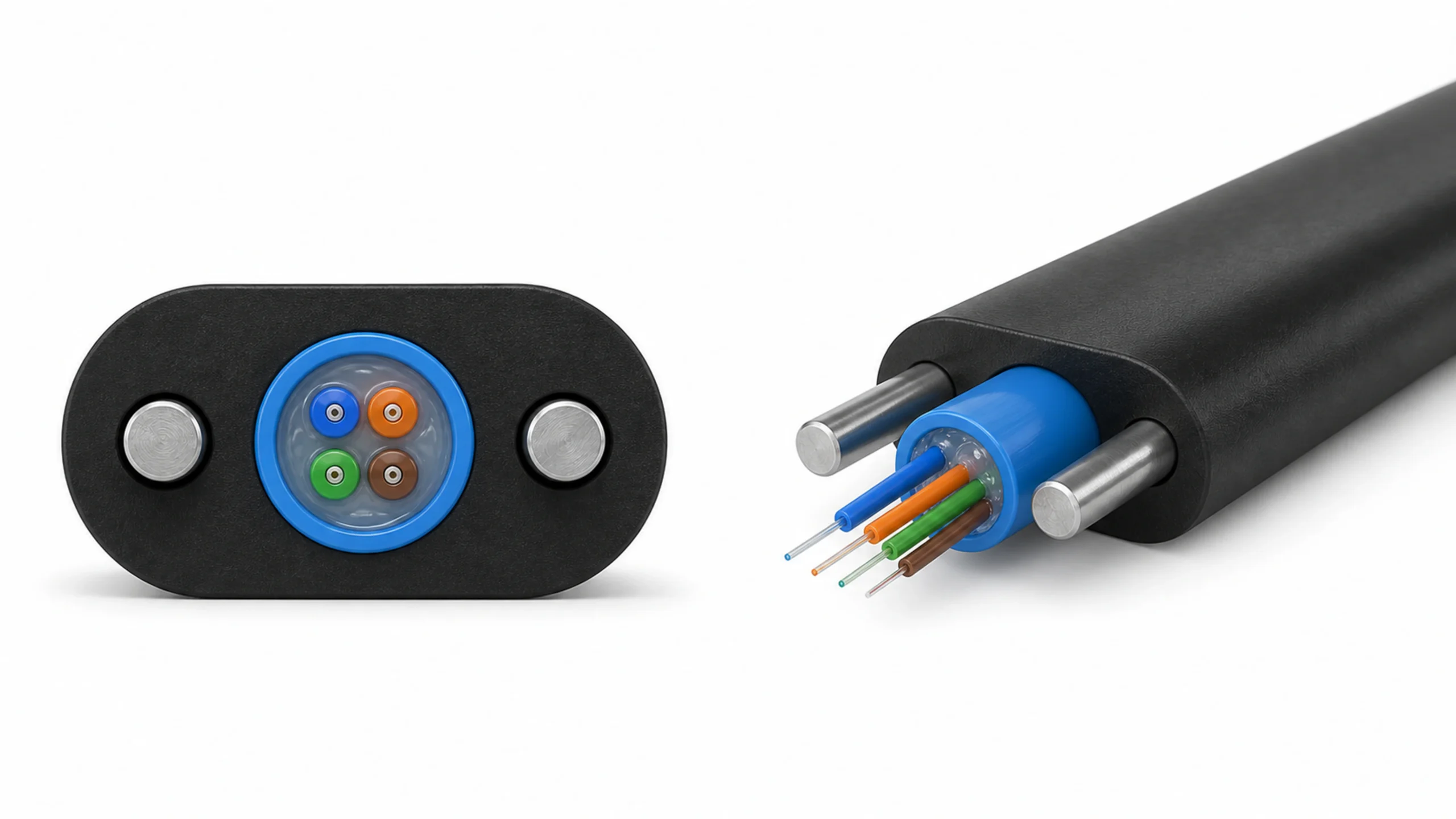
      Fiber optic cables

      Browse fiber optic cable types

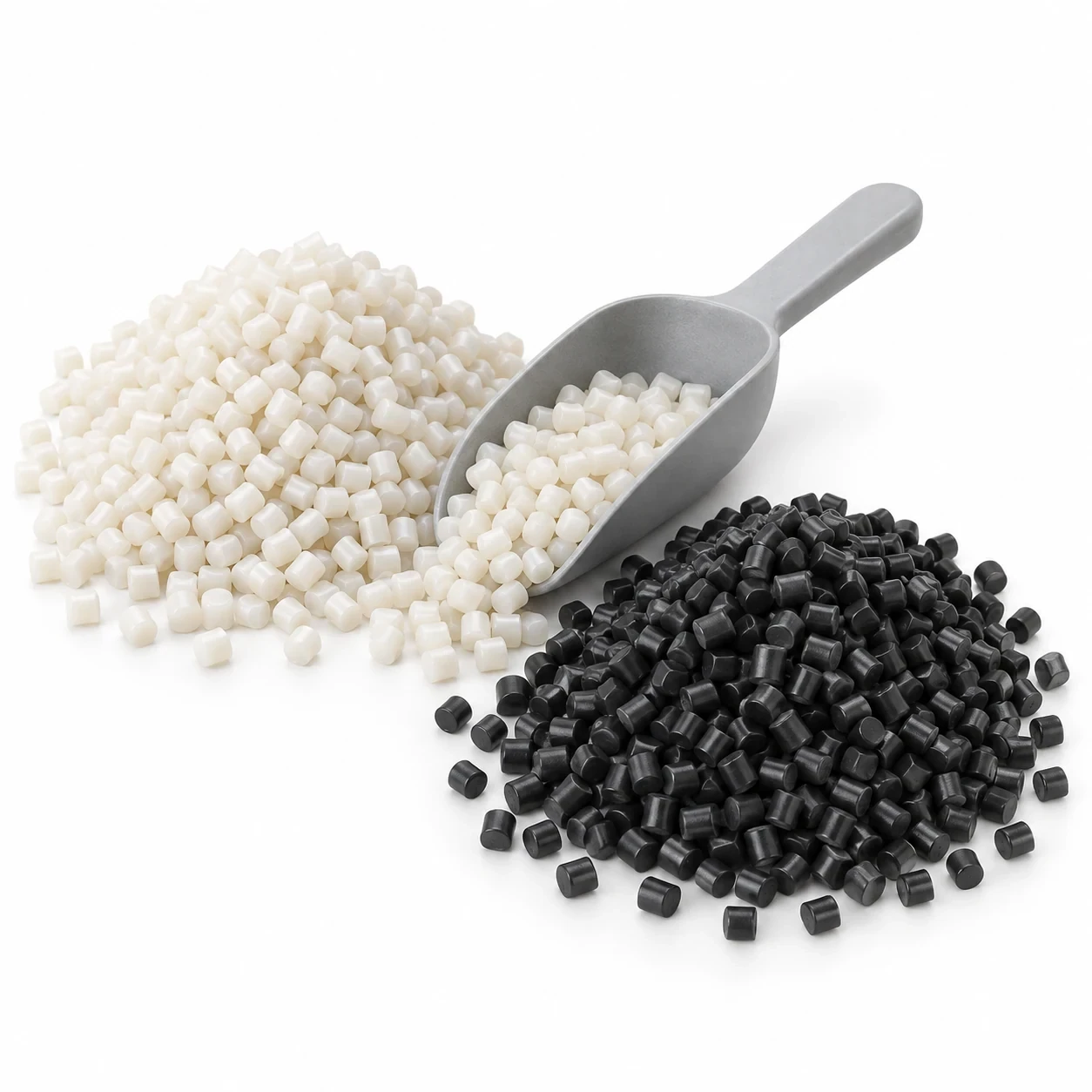
      Raw materials

      Materials for optical cable production

  • BLOG
  • Contact

LV Power Cable Production Line

What is an LV power cable production line? It prepares power-cable conductors, applies the specified insulation, assembles the cores and extrudes the outer sheath. Match the line to copper or aluminum, the conductor size and the insulation system; XLPE also requires an approved crosslinking route.

Cable designation
XLPE / PVC reference
Conductor material
Copper artwork · aluminum route to review
Conductor route
Strand → Insulate → Lay up → Sheath
Final configuration
Confirmed against the approved cable design
Cable structure preview Reference cable
Four-core copper LV power cable with individual insulation, fillers and an outer sheath; construction illustration Structure reference. Final design pending. Cable structure below Review materials and construction
What the client selected LV Power Cable · XLPE / PVC reference Four-core copper reference with XLPE insulation and PVC sheath. Confirm conductor size, shape, core count, curing method and finished diameter.
02 Cable definition

Define the LV Power Cable Before Selecting Equipment

This four-core illustration shows stranded copper conductors, separate insulation, fillers and an outer sheath. Confirm the approved construction before selecting conductor preparation, insulation, curing, cabling and sheathing equipment.

Four-core copper LV power cable with individual insulation, fillers and an outer sheath; construction illustration
LV power cable construction reference The artwork does not confirm a customer sample, standard, material grade, dimensions or production range.
Current project definition

Known inputs and open confirmations

Cable family
Unarmoured, multi-core LV power cable
Reference construction
Four copper cores / XLPE insulation / PVC sheath
Conductor material
Copper in the artwork; aluminum requires a separate material review
Conductor class / shape
Solid or stranded; round, compacted or sector-shaped as specified
Nominal area per conductor
mm² for each core; confirm neutral / protective-core sizes separately
Individual wires
Wire count and diameter, layer construction and lay where stranded
Finished bare conductor
Diameter or shaped-conductor dimensions and tolerances
Insulated-core count
Four in the artwork; actual count and identification to confirm
Insulation system
XLPE reference; PVC alternative requires a revised process review
XLPE crosslinking
Compound system, dosing, cure method, time and acceptance to confirm
Cabling / fillers / binder
Core lay, tension, bundle diameter and construction-specific layers
Outer sheath
PVC reference; grade, wall thickness and finished diameter to confirm
Voltage / product standard
Rated voltage and applicable product requirements from the approved design
Output / finished drums
Product mix, production target, drum dimensions and mass
Acceptance basis
Approved drawing, material instructions and specified cable tests
Conductor construction and cable core count are separate inputs. For a stranded conductor, provide the wire count, wire diameter and nominal area, plus compaction or sector shape where applicable. Define the number of insulated cores separately. Conductor stranding takes place before insulation; core laying-up assembles the insulated cores.
03 Preliminary process route

Match the Route to the Cable Construction

This route covers the unarmoured, multi-core LV power cable reference. Choose the actual incoming material. The insulation system determines the extrusion setup and whether a separate crosslinking process is required.

Prepare wires if needed → Strand conductors → Insulate / complete specified curing and core checks → Lay up cores → Sheath → Cool, test and drum Stranded, multi-core reference. Solid conductors bypass stranding. Confirm the XLPE curing schedule independently of the drawing order.
Typical process / not a fixed layout

XLPE decision point: select the compound and crosslinking method before approving the line. Moisture-curable systems need defined cure conditions and time; other systems can require different equipment. The inspection image is not a curing machine. Core acceptance, reel holding and the position of curing in the schedule must follow the material instructions and approved process. PVC insulation has no XLPE curing step.
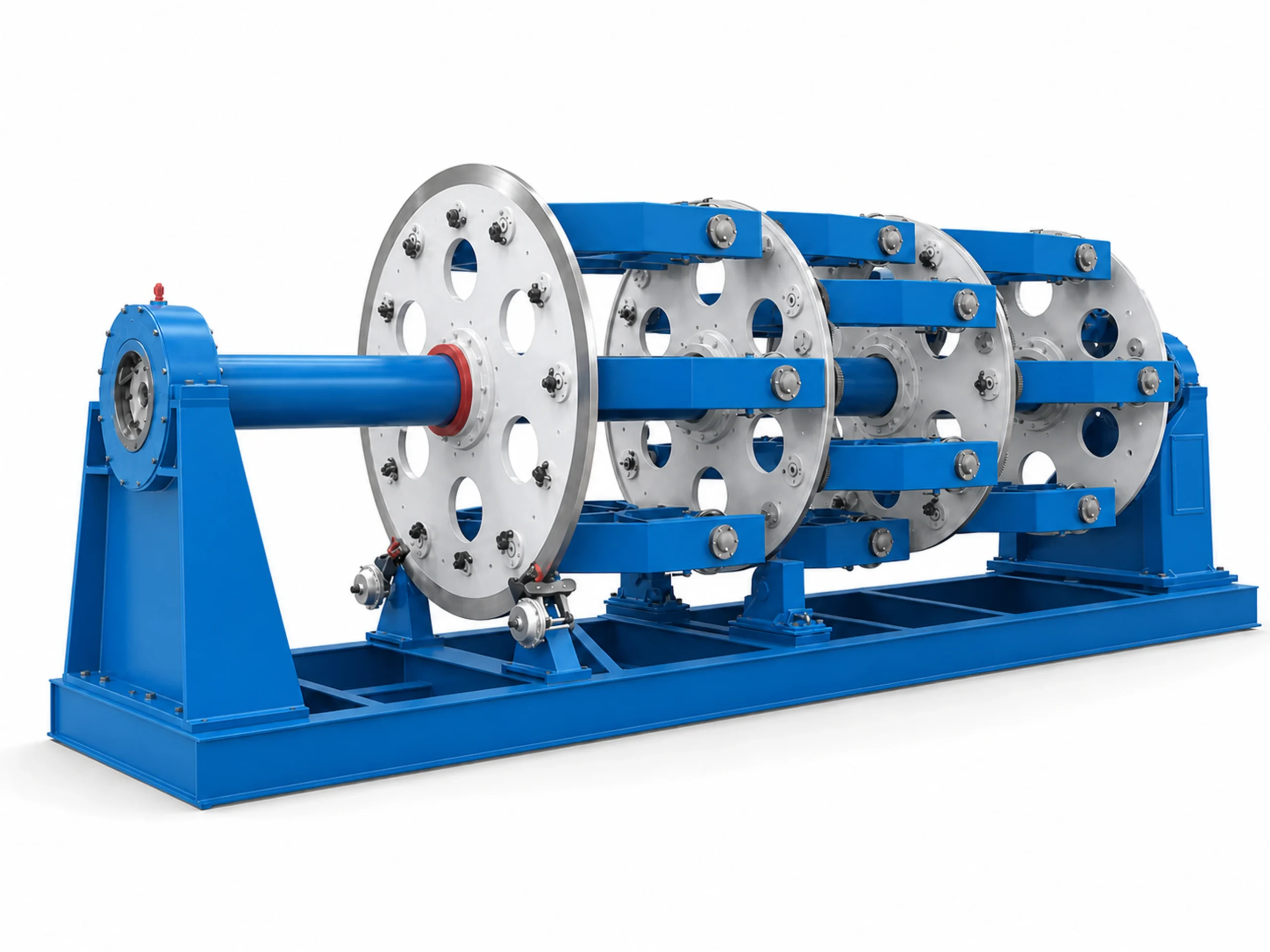
Conductor Stranding; existing 3D category illustration, not a confirmed machine configuration
Stage 02 / Before insulation / stranded design

Conductor Stranding

Form each bare conductor from its specified wires. Add compaction or shaping only where required by the conductor design.

Input
Approved individual wires and conductor layer construction
Output
One conductor of the required area, shape and resistance
Equipment source
Equipment category; manufacturer, range and responsibility in the confirmed proposal
Confirm
Strander type, wire count, lay, material, compaction tooling, conductor shape and reel mass; solid conductors bypass stranding
04 Equipment by required stage

Review the Equipment Categories for This Route

Review each machine’s actual function, then confirm its model and interfaces. These are 3D category references; not an automatic equipment configuration or a claim that one machine performs every downstream operation.
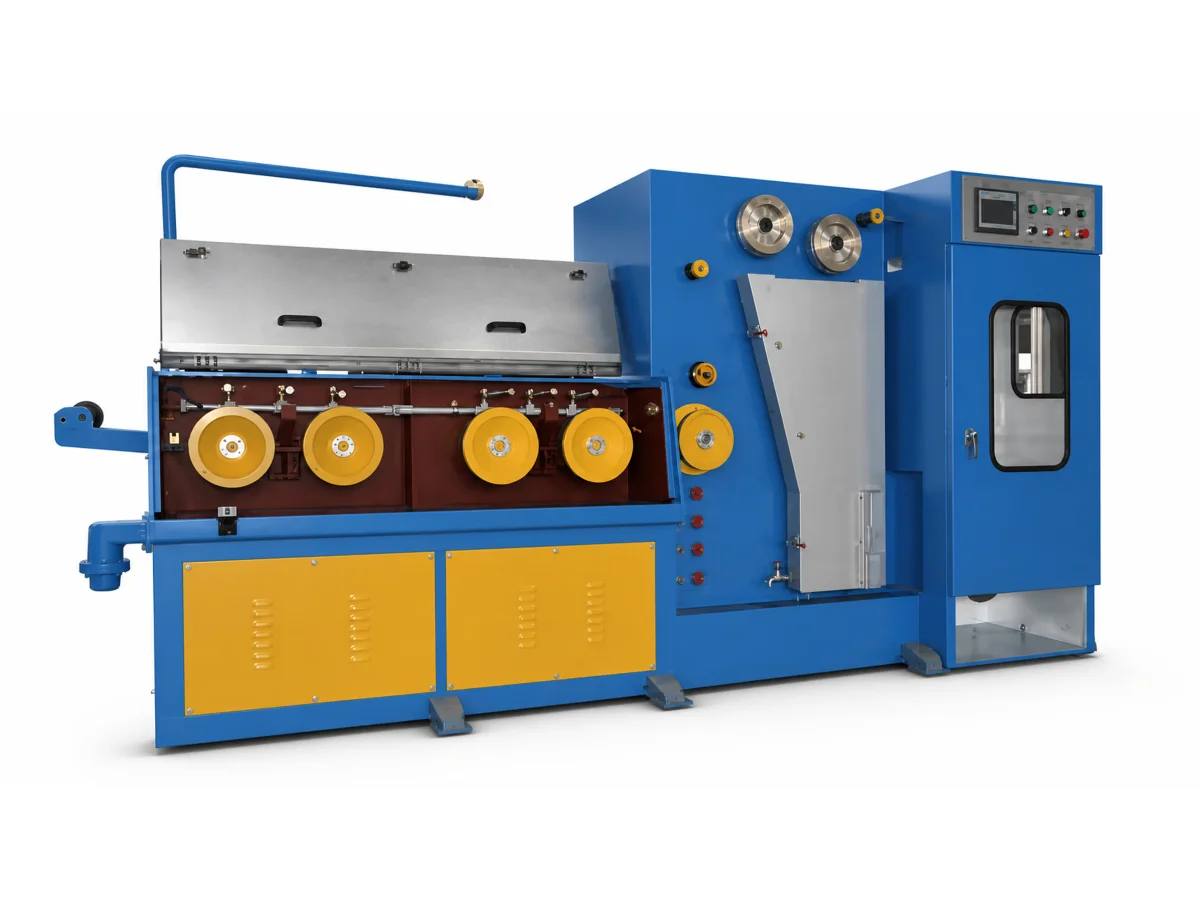
Wire Preparation; existing 3D category illustration, not a confirmed machine configurationExisting 3D category illustration; range and complete equipment arrangement require review
01 / Equipment configuration

Wire Preparation

Prepare conductor wire to the required diameter and material condition. Use material-specific drawing and heat-treatment arrangements.

Route status
Upstream / if required
Source boundary
Equipment category; manufacturer, range and responsibility in the confirmed proposal
Configuration
Material-specific drawing system, wire handling and heat treatment where required
Key input
Incoming copper or aluminum rod / wire

Material grade, incoming size, final wire size and condition; do not apply a copper annealing setup to aluminum without review

05 Manufacturing and integration

Keep Every Equipment Source and Responsibility Explicit

A coordinated production-line project does not mean one factory manufactures every machine. Each source and interface is defined in the approved proposal.

LV Power Cable, one coordinated project interface

Equipment source, contracting entity, integration boundary and service responsibility stay item-specific.

Proposal-defined scope
01 / HONGKAI manufacturing scope

Manufactured by HONGKAI

Core-insulation and outer-sheathing equipment only where expressly identified as HONGKAI-manufactured in the confirmed proposal.

  • Insulation and sheathing equipment identified in the proposal
  • Mechanical assembly and electrical-control scope only as defined for each identified item
  • Factory inspection or testing only where stated in the approved proposal
Final configuration and responsibility, To be confirmed
02 / Specialist manufacturing scope

Integrated from Specialist Manufacturers

Material-specific wire preparation, conductor stranding or shaping, and core laying-up equipment. XLPE curing equipment and material handling are separately defined where required.

  • Stranding and optional compaction or shaping matched to the conductor construction
  • Drawing and material-specific heat treatment only where required
  • Core laying-up equipment, tension control and project-specific interfaces
  • Source and contractual boundary stated in the proposal
Equipment source and scope, To be confirmed
03 / Supporting systems

Supporting Equipment and Project Interfaces

Cooling and drying, approved XLPE curing arrangements where required, core and final tests, haul-off, intermediate reels and drum take-up or packing.

  • Exact functions and equipment source remain project-specific
  • Customer-side utilities and interface responsibilities
  • Installation, commissioning and training scope if agreed
Any HONGKAI-configured or supplied supporting items: To be confirmed in the proposal
06 Factory planning inputs

Plan the Factory Around the Confirmed Line Scope

Select only the information you already have. This checklist records readiness for review and does not save or submit project data.

07 Quality checkpoints

Check the Conductor, Insulation and Finished Cable

Agree the inspection plan before equipment selection. These 3D references explain the checks; they are not factory photographs, customer cases or evidence of passed tests.

Four-core copper LV power cable with individual insulation, fillers and an outer sheath; construction illustrationConductor acceptance
Conductor acceptance

Check the Bare Conductor

Confirm wire count, individual-wire diameter, lay, finished bare-conductor diameter and the specified conductor resistance.

Wire count inside one conductor is not the number of insulated cores. The 3D cable is a structure illustration, not a test sample.
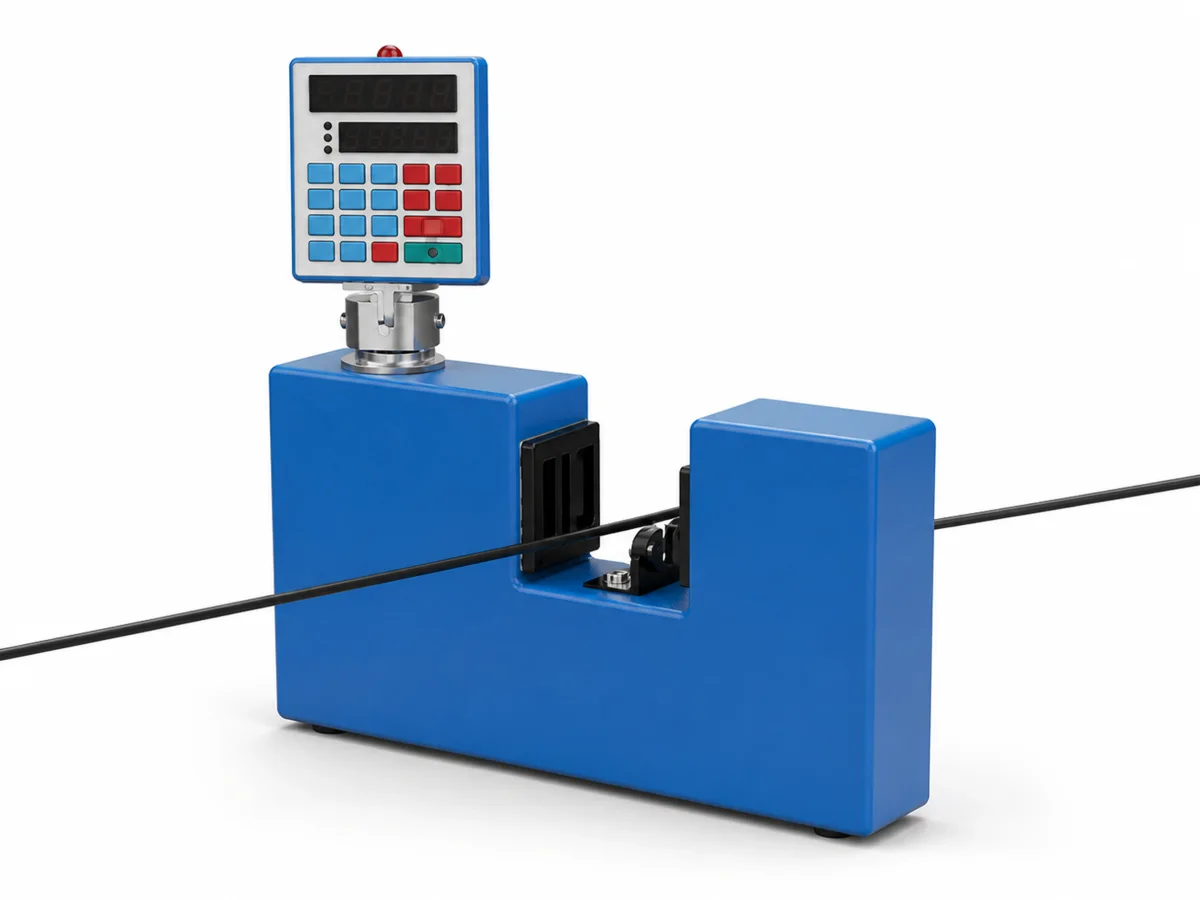
Measure Diameter; Verify the Wall ;  illustrative 3D referenceDimensional control
Dimensional control

Measure Diameter; Verify the Wall

Measure insulated-core and finished-cable diameters. Verify core insulation and outer-sheath wall thickness separately by the approved measurement method.

A laser outside-diameter gauge alone cannot establish minimum wall thickness. The acceptance method and tolerances must be defined.
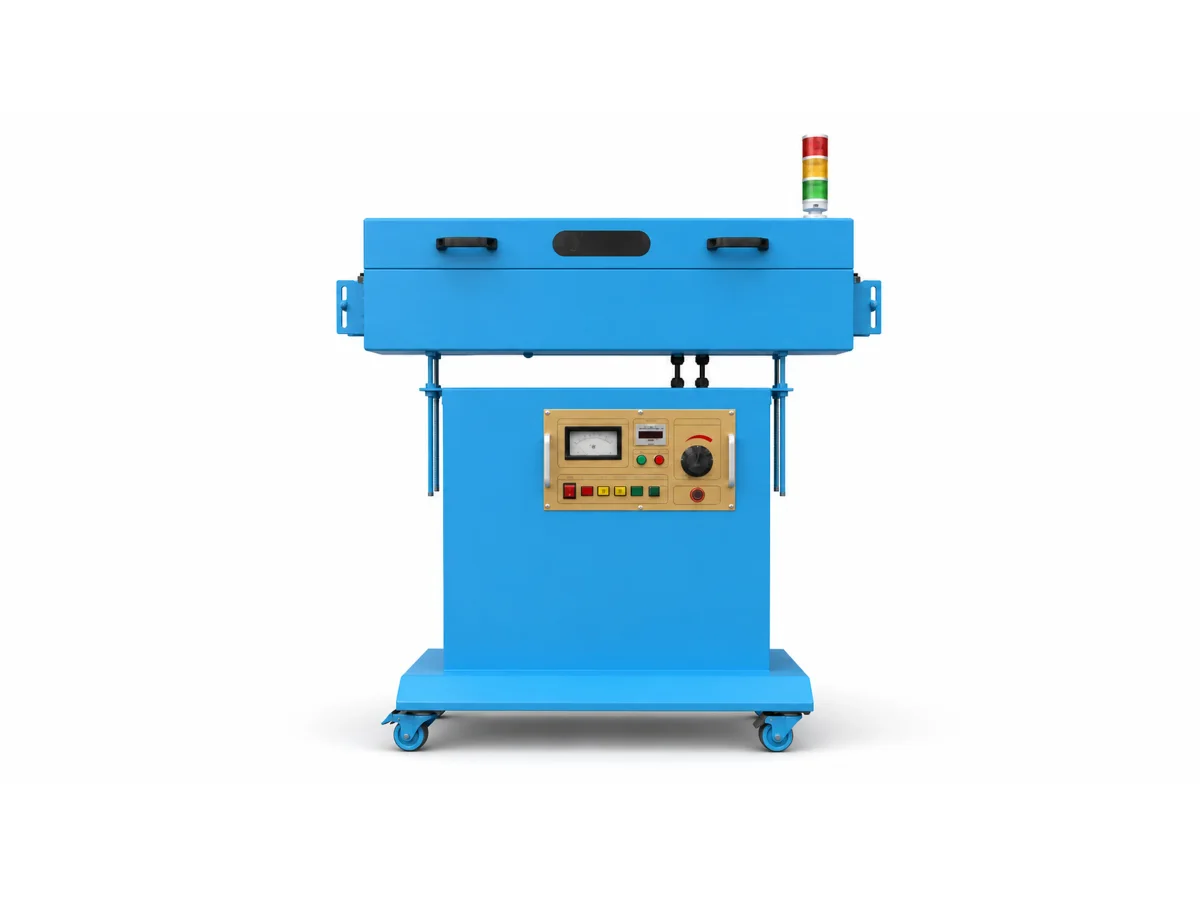
Inspect the Dry Insulation ;  illustrative 3D referenceIn-line electrical check
In-line electrical check

Inspect the Dry Insulation

Cool and dry each insulated core before its specified spark test. Record faults and keep accepted core reels identifiable before cabling.

Core spark testing does not replace finished-cable electrical tests. Any sheath integrity test needs its own approved method and suitable electrical arrangement.
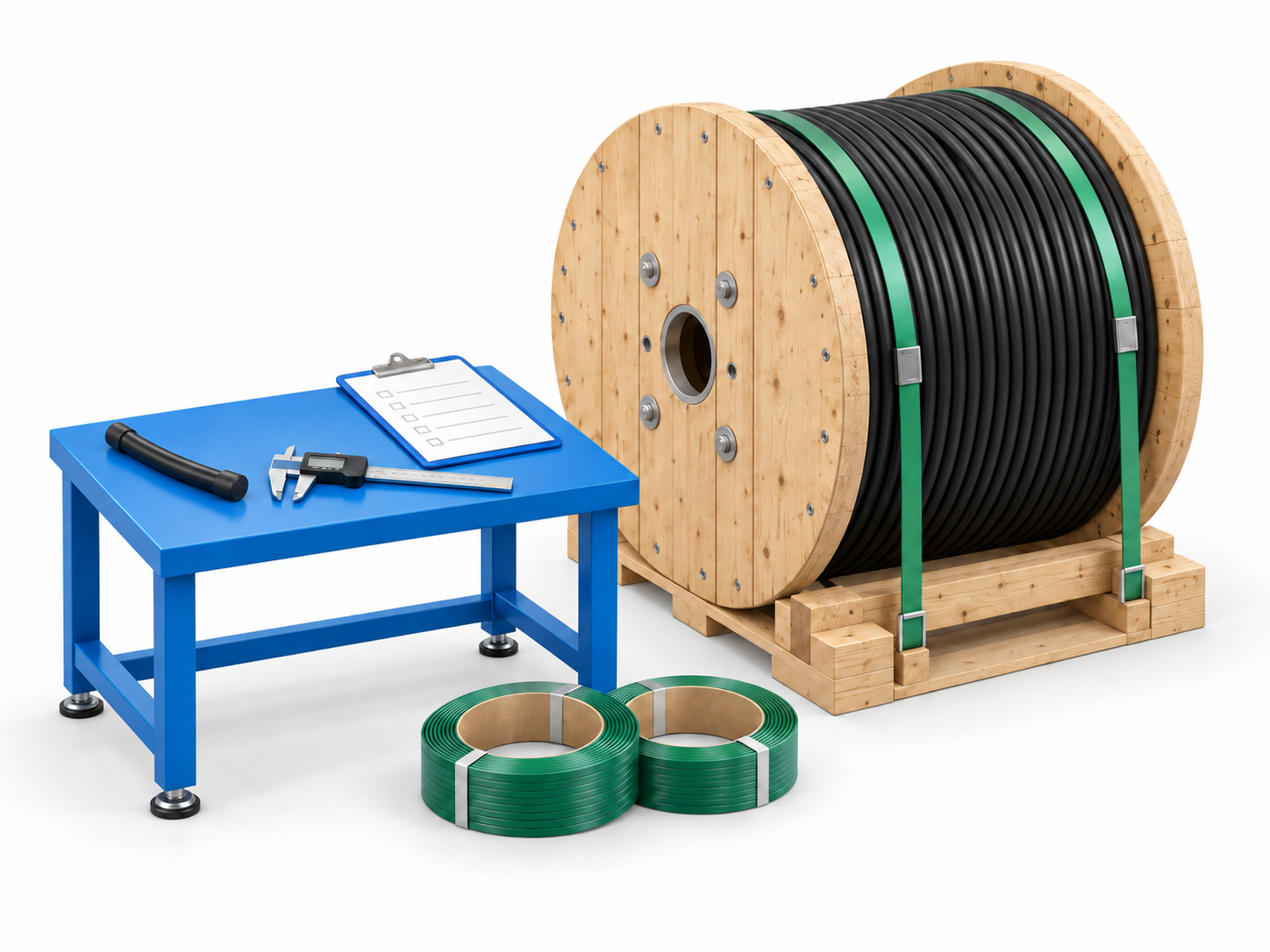
Confirm the Sale-Ready Package ;  illustrative 3D referenceFinished-product release
Finished-product release

Confirm the Sale-Ready Package

Verify conductor resistance, core identification, required electrical tests, cable dimensions and material tests. Include XLPE crosslinking acceptance where applicable, then confirm marking, length and drum packing.

The take-up image illustrates winding only. Drum load rating, test records and project acceptance require actual project data.
Keep illustration and evidence separate. Add actual trial records, sample measurements and project acceptance documents once available. No performance or certification is inferred from a render.
Project records required

08 FAQ

Clarify the Route Before Requesting a Quote

These answers explain the decision path. They do not replace an approved cable design, technical solution, quotation or project proposal.

What does an LV power cable production line include?

The preliminary route includes conductor preparation if needed, conductor stranding for stranded designs, insulation, material-specific curing and core checks, core laying-up, outer sheathing, cooling, drum take-up and final tests. Purchased conductors or accepted insulated cores can remove completed upstream operations from the scope.

Can the line process both copper and aluminum?

That requires a material-specific review. Confirm conductor grade, area, wire construction, compaction or shape, tooling, tension, heat treatment and interfaces. The copper illustration does not establish aluminum capability or an approved range.

Is XLPE insulation complete after extrusion?

No. Crosslinkable insulation must achieve the required crosslinking through its defined process. Moisture-curable systems use moisture with specified conditions and time; other systems may require different equipment. Select the compound and obtain its processing instructions before defining curing equipment, holding areas and acceptance.

Can the same equipment make PVC and XLPE insulated cable?

Only after confirming the compound systems, screw and tooling, dosing and handling, processing window, cleaning and changeovers. PVC does not use the XLPE curing step. Do not assume an existing PVC extruder and cooling trough provide a complete XLPE process.

Are conductor stranding and core laying-up different?

Yes. Conductor stranding combines bare wires into one conductor before insulation. Core laying-up combines separately insulated cores into the cable assembly. They have different material, tension, lay and reel requirements.

Does this route include armour or every low-voltage cable design?

The illustration and route are unarmoured. Armour, screens, special fire-performance materials, sector-shaped cores and other constructions need their own review. Single-core designs bypass multi-core laying-up. Rated voltage and product compliance come from the approved design and test requirements.

What data is needed before selecting models and output?

Provide conductor material, area and shape, wire construction, number and sizes of cores, insulation and sheath grades and walls, curing method if applicable, bundle and cable dimensions, output mix, drum sizes and mass, utilities and the acceptance specification. No model or speed is confirmed by these illustrations.

How are supply, installation and acceptance responsibilities agreed?

The proposal identifies each equipment manufacturer, supply boundary, integration interface, utility requirement, commissioning or training service and acceptance responsibility. Factory and site tests use the agreed protocol and actual records.

09 LV Power Cable project enquiry

Plan Your LV Power Cable Production Line

Share the conductor material, size and shape, core count, insulation and sheath. For XLPE, include the compound system and curing method if known.

Route currently on this page

  • Cable familyLV Power Cable
  • Current route reviewPrepare wires if needed → Strand conductors → Insulate / complete specified curing and core checks → Lay up cores → Sheath → Cool, test and drum
  • Conductor inputsCopper / aluminum, nominal area, wire construction, round or sector shape, and conductor dimensions
  • Finished core countFour cores in the artwork; actual core count, sizes and identification to confirm.

Optional. Review the copied context before sending.

An enquiry requests a project-scope review. It does not confirm equipment configuration, material compatibility, price, delivery schedule, output, factory acceptance or project result.

Compare all cable solutions

LV Power Cable Project Enquiry

Fields marked * are required. Technical inputs may remain to be confirmed.

The dedicated enquiry form has not been connected yet. Please contact HONGKAI through the project enquiry page.

Your contact details

Who should receive the technical follow-up?
Work email
Include country code, if provided.

Conductor and cable construction

Define each conductor separately from the number of insulated cores. Include conductor shape and the XLPE process where applicable.
Applicable product standard and rated voltage from the approved design.
Copper or aluminum; class, round or sector shape, compaction as specified.
Area in mm², not the sum of all cores.
For stranded conductors, wire dimensions by layer if needed.
For stranded conductors; state solid where applicable.
Outside diameter before insulation, in mm.
Number of separately insulated cores in the finished cable.
Colours, numbering and protective core, if specified.
PVC or XLPE compound system, grade and nominal / minimum wall.
Target and tolerance in mm.
Lay length, direction and bundle OD before sheathing, if known.
Only where specified by the cable drawing.
Specified sheath compound and nominal / minimum wall.
Target and tolerance after sheathing, in mm.
Compound grade, catalyst system, cure method, conditions, time and acceptance if known. PVC projects may mark not applicable.
Flange and barrel diameter, width, bore, cable length and maximum loaded mass.

Project requirements

Final range, output and equipment interfaces require technical review.
Cable size, quantity, unit, working hours and product mix.
Drag & Drop Files, Choose Files to Upload You can upload up to 3 files.
Optional: PDF, JPG, JPEG or PNG. Up to 3 files, 10 MB each.
Use Add Viewed Route to Form, then review or edit the copied context.

Ask for quote

we will reply you within 24 hours!!!