











يفقد العديد من مصنعي الكابلات أموالاً كبيرة بسبب شرائهم معدات غير مناسبة لاحتياجاتهم، إذ أنهم لا يدركون ما يتطلّبه إنتاجهم تحديدًا لتحقيق أهدافهم الإنتاجية.
يتطلب اختيار ماكينات الكابلات المناسبة مواصفات دقيقة للكابل، وحسابات صحيحة للقدرة الإنتاجية، وتخطيط مناسب لموقع المصنع، وتحديد كامل لمتطلبات المواد الخام. ويمنع هذا النهج المنظم الوقوع في أخطاء مكلفة ويضمن الأداء الأمثل للمعدات.
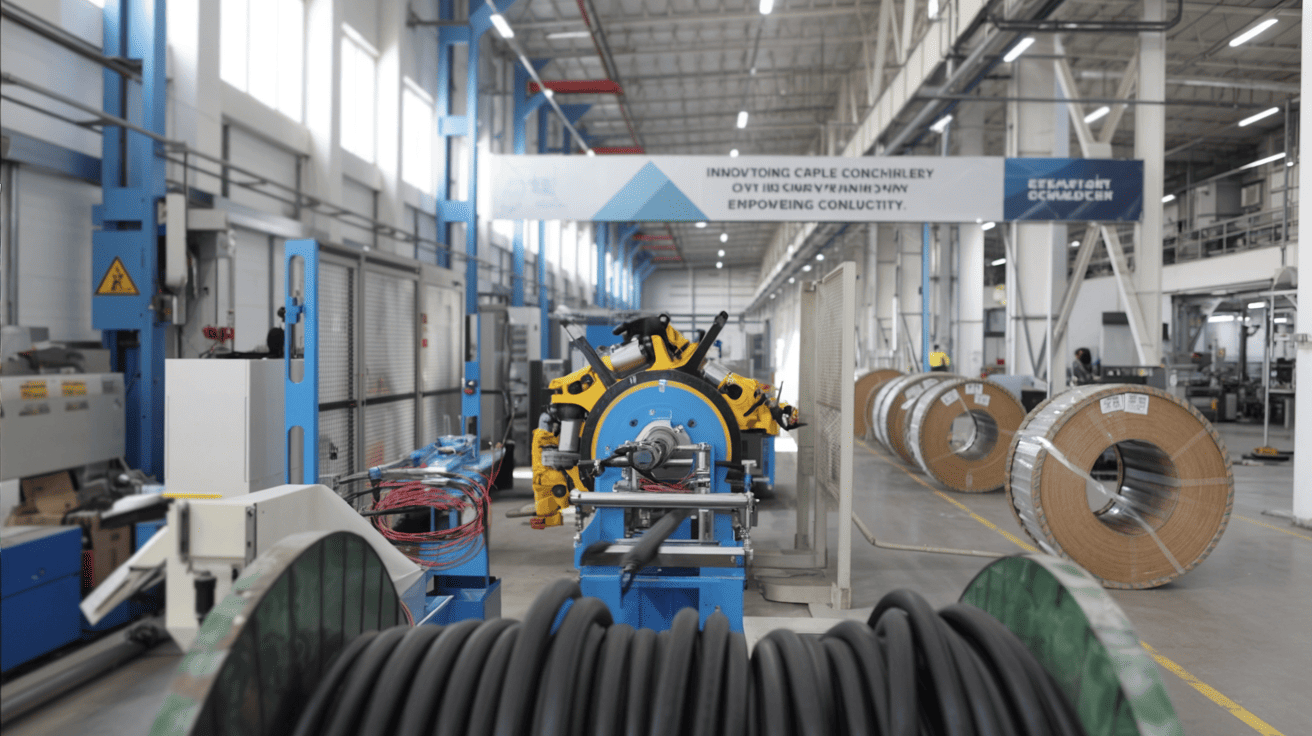
خلال عملي في هونغ كاي، رأيت الكثير من الشركات المصنّعة ترتكب أخطاء باهظة التكلفة عند شراء معدات الكابلات. فتركّز على السعر ومدة التسليم، لكنها تتجاهل المتطلبات الأساسية التي تحدد نجاح المشروع أو فشله.
لماذا يفشل معظم مشتريات ماكينات الكابلات دون توافر مواصفات تفصيلية؟
تفشل مشتريات ماكينات الكابلات عندما يقدم المصنّعون متطلبات غامضة بدلاً من مواصفات تفصيلية، مما يؤدي إلى اقتناء معدات غير قادرة على إنتاج الكابلات المستهدفة بكفاءة.
لا يمكن للموردين توصية الآلات المناسبة لسحب الأسلاك، أو خطوط البثق، أو معدات الفتل دون وجود رسومات تفصيلية للكابلات، ومتطلبات المواد، ومعايير الإنتاج. ويؤدي هذا التباين إلى مشكلات في الجودة، وتعطيلات إنتاجية، وتعديلات مكلفة على المعدات.

في العام الماضي، تواصل معنا مصنّع من ألمانيا طالبًا "معدات قياسية لكابلات الطاقة". كان لديه ميزانية قدرها 400,000 يورو، ورغب في بدء الإنتاج خلال ثلاثة أشهر. وفي اجتماعنا الأول، أظهر لي رسمًا تقريبيًا لكابل طاقة دون أي تفاصيل فنية.
يؤدي هذا النهج إلى مشكلات جادة. تم تصميم ماكينات الكابلات لتطبيقات محددة. فالمعدات التي تعمل بكفاءة عالية في تصنيع كابلات البناء ذات الموصل الواحد لا يمكنها التعامل مع الكابلات المدرعة متعددة الموصلات. أنظمة التحكم في الشد، ونطاقات القُطر، وسرعات المعالجة كلها مختلفة تمامًا.
إليك ما يحدث عادةً عند غياب المواصفات الدقيقة:
المشاكل الشائعة في المواصفات
عدم تطابق المعدات:
عندما لا يحدد المشترون أنواع الكابلات بدقة، فإنهم غالبًا ما يحصلون على معدات أساسية لا تستوفي احتياجاتهم. على سبيل المثال، شراء خط لإنتاج كابلات UTP بينما يحتاج المرء إلى إنتاج كابلات FTP أو STP المدرعة يعني أنه سيحتاج لاحقًا إلى تعديلات باهظة التكلفة.
مشكلات السرعة والطاقة الإنتاجية:
تتطلب أنواع الكابلات المختلفة سرعات إنتاج مختلفة. فالجدل المعدني المستخدم في الكابلات المدرعة يعمل بسرعة 5 أمتار في الدقيقة، بينما يمكن أن تصل سرعة البثق العازل إلى 50-90 مترًا في الدقيقة. وبدون معرفة هذه التفاصيل، ينتهي الأمر بالعديد من المصنّعين بخطوط إنتاج غير متوازنة.
مشكلات مراقبة الجودة:
تختلف متطلبات التحكم في الشد بشكل كبير بين أنواع الكابلات. فكابلات البناء تحتاج لأنظمة شد أساسية، في حين تتطلب كابلات الألياف الضوئية تحكمًا دقيقًا في الشد لمنع فقدان الإشارة. وتؤدي المواصفات الخاطئة إلى مشكلات جودة تؤثر سلبًا على سمعتك.
التكاليف الخفية:
غالبًا ما تؤدي المواصفات الغامضة إلى عروض أسعار أولية منخفضة لا تتضمّن المكوّنات الضرورية. فيعتقد المشترون أنهم حصلوا على صفقة جيدة حتى يكتشفوا لاحقًا حاجتهم لمعدات إضافية للدرع أو التسليح أو مواد العزل الخاصة.
قدّم المصنّع الألماني في النهاية رسومات تفصيلية للكابلات1 أظهرت ثلاث هياكل مختلفة للكابلات. وكشفت مواصفاته عن حاجته إلى معدات تسليح متخصصة وقدرات معالجة بدرجات حرارة عالية. غيّرت هذه المعلومات توصيتنا للمعدات بالكامل وأدّت إلى زيادة تكلفة المشروع بمقدار 150,000 يورو، لكنها ضمنت قدرته على إنتاج الكابلات المستهدفة.
ما هي مواصفات الكابلات التي ينبغي أن تعدّها قبل طلب عروض أسعار المعدات؟
تمكّن المواصفات الكاملة للمواد المورّدين من توصية تكوينات معدات دقيقة، مما يمنع عدم التطابق بين الماكينات ويضمن نجاح الإنتاج منذ اليوم الأول.
تشمل المواصفات الأساسية رسومات كابلات تفصيلية بأبعادها، وتكوينات الموصلات، ومواد العزل، ومتطلبات الدرع، وتصنيفات الجهد، ومعايير الامتثال. تحدد هذه التفاصيل ما إذا كنت بحاجة إلى خطوط بثق أساسية أو معدات متخصصة لهياكل كابلات معقدة.
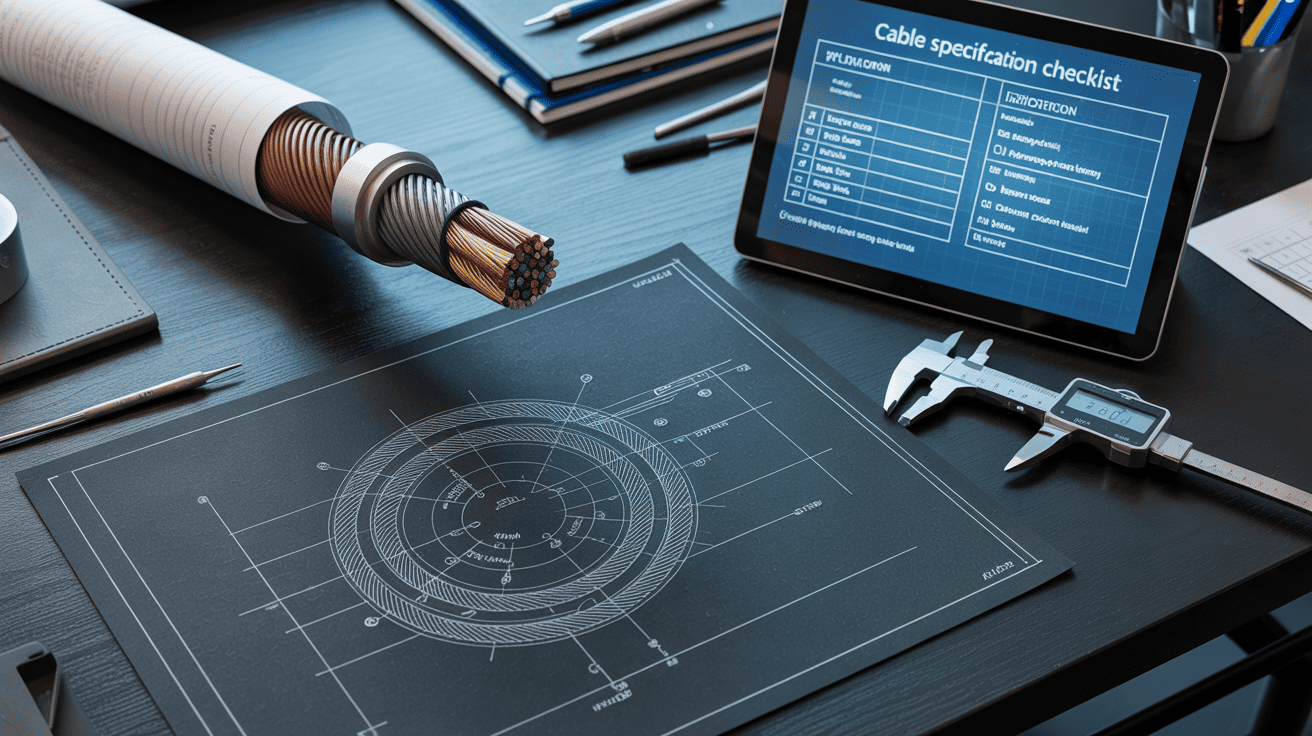
في بدايات مسيرتي المهنية في شركة HONGKAI، تعلّمت هذه الدروس من خلال مشروع صعب مع مصنّع آسيوي. أراد إنتاج كابلات بيانات من فئة Cat6، لكنه قدّم فقط معلومات أساسية عن "كابلات الشبكة". قضى المهندس الرئيسي هوانغ كاي وأنا أسابيع في طلب تفاصيل إضافية قبل أن نتمكن من تقديم عرض سعر دقيق.
وجاء الاختراق عندما أرسلوا أخيرًا رسومات تقنية كاملة وفقًا للمعايير الدولية مثل BS 6724 وIEC 60331. وكشفت هذه الرسومات عن متطلبات محددة لتَلْف الأزواج، ومواد الدرع، وتصنيفات الأداء ضد الحريق، ما غيّر توصياتنا للمعدات بشكل كامل.
متطلبات المواصفات الكاملة
تفاصيل الموصل:
يجب عليك تحديد مادة الموصل (نحاس، ألومنيوم، أو ألومنيوم مغطى بالنحاس)، وعيار السلك أو المساحة المقطعية، وأنماط التشابك. تتطلب الموصلات الصلبة معدات مختلفة عن الموصلات المجدولة. كما أن معالجة سطح الموصل (نحاس عاري، نحاس مغطى بالقصدير، أو نحاس مطلي بالفضة) تؤثر أيضًا على متطلبات المعالجة.
مواد العزل والغمد الخارجي:
حدد المواد الدقيقة مثل مركبات EPR أو XLPE أو PVC. أدرج متطلبات السُمك، ومواصفات اللون، والخصائص الخاصة مثل مقاومة الأشعة فوق البنفسجية أو مقاومة الحريق. تتطلب المواد المختلفة درجات حرارة معالجة وأنظمة تبريد مختلفة.
بناء الكابل:
عرّف عدد النوى، وترتيب النوى، وميزات البناء الخاصة. بالنسبة لكابلات البيانات، حدد ما إذا كنت بحاجة إلى زوج مجدول غير محمي (UTP)، أو محمي برقائق (FTP)، أو محمي بجدل (STP)، أو محمي بكل من الرقائق والجدل (SFTP). كل نوع يتطلب تكوينات معدات مختلفة.
معايير الأداء:
أدرج معايير الامتثال المطلوبة مثل مواصفات IEC أو UL أو BS أو DIN. تتطلب تصنيفات الأداء في حالات الحريق مثل Cca-s1a,d0,a1 للأسواق الأوروبية مركبات متخصصة وإجراءات اختبار تؤثر على اختيار المعدات.
المتطلبات البُعدية:
Provide overall diameter ranges, length tolerances, and core color coding requirements. These specifications determine take-up equipment sizing and quality control systems.
I always recommend providing samples or prototypes when possible. Physical samples help our engineering team understand special requirements unclear from written specifications alone. This approach has prevented numerous specification misunderstandings over the years.
How Does Your Production Capacity Determine the Right Equipment Configuration?
Production capacity requirements directly determine the number of machines, line speeds, and equipment configurations needed to meet your business goals efficiently and profitably.
Accurate capacity calculations determine whether you need single production lines or multiple parallel systems. Production demand is divided by machine capacity, adjusted for efficiency factors and waste allowances, and shows exactly how many machines you need for each production step.

One of my most complex capacity planning projects involved a Middle Eastern manufacturer who wanted to produce 10,000 kilometers of Cat6 cable monthly. He initially thought one high-speed production line would be sufficient. Our detailed analysis revealed a different picture.
Huang Kai and I calculated the actual production requirements based on his cable specifications and market demand patterns. Cat6 cable production involves multiple steps with different processing speeds. Wire drawing operates at 200-300 meters per minute, insulation extrusion runs at 50-90 meters per minute, but pair twisting only achieves 30-50 meters per minute.
Capacity Calculation Methods
Production Speed Analysis:
Each production step has a different maximum speed. You need to identify the slowest process, which becomes your production bottleneck. Metal braiding is often the limiting factor for shielded cables at only 5 meters per minute, while basic extrusion can reach 90 meters per minute.
Equipment Quantity Calculations:
Use this formula: Required Machines = Production Demand ÷ (Machine Capacity × Efficiency Factor). Apply 75-85% efficiency factors for real-world conditions, including setup time, maintenance, and quality control checks.
Line Balancing Requirements:
Balance production speeds across all processes to prevent bottlenecks. If twisting operates at 40 meters per minute but needs 100 meters per minute total capacity, you need at least three twisting machines feeding one downstream process.
Scalability Planning:
| Production Level | Monthly Output (km) | Equipment Configuration | Investment Range (USD) |
|---|---|---|---|
| نطاق صغير | 1,000 | Single line, basic equipment | 100,000-200,000 |
| متوسط الحجم | 3,000 | Balanced line with backup capacity | 280,000-580,000 |
| High Volume | 10,000 | Multiple parallel lines | 650,000-1,200,000 |
The Middle Eastern project required eight twisting and three stranding machines to achieve the target capacity. We also recommended adding wire drawing equipment because high-volume production makes it cost-effective to process raw copper instead of buying pre-drawn wire. This decision reduced material costs from $6.50 per kilogram to $5.80 per kilogram.
Capacity planning also revealed seasonal demand variations. His peak demand periods required 40% higher capacity during certain months, leading us to recommend modular equipment that could be shared between different cable types during low-demand periods.
Why Factory Layout and Material Planning Matter for Cable Production Success?
Proper factory layout optimizes material flow and equipment efficiency while accurate material planning prevents production delays and minimizes inventory costs.
Factory layout affects productivity, safety, and operational costs. Poor layouts create bottlenecks, increase material handling expenses, and create safety hazards. Combined with precise material calculations, good layout planning maximizes return on investment and ensures smooth operations.

The most challenging layout project I’ve handled was for a manufacturer with a narrow 1,800 square meter facility. He wanted to install three خطوط البثق2 for power cable production, but the space seemed impossible to work with efficiently.
Huang Kai and I visited his facility and discovered several optimization opportunities. The key was understanding cable production workflow requirements. Raw materials must flow smoothly from storage areas to production equipment. Finished products need efficient paths to testing areas and shipping zones.
Layout Optimization Strategies
Material Flow Design:
Cable production follows a logical sequence from raw materials to finished products. Conductor spools feed into stranding or direct extrusion equipment. Insulation compounds move from storage silos to extruder hoppers. Finished cables travel through testing stations to packaging areas.
Space Utilization:
Calculate equipment footprints, including maintenance access requirements. Extrusion lines need overhead crane access for die changes and maintenance. Testing equipment requires dedicated floor space that doesn’t interfere with production flow.
Safety and Compliance:
Factory layouts must include emergency exits, fire safety systems, and proper ventilation for processing areas. Chemical storage areas need special considerations for compound handling and safety equipment access.
Vertical Space Utilization:
Many facilities underutilize vertical space. Overhead cable runs, elevated storage platforms, and mezzanine levels can significantly increase adequate floor space without expanding the building footprint.
Material Planning Calculations
Raw Material Requirements:
Calculate monthly material consumption based on production capacity and cable specifications. Include safety stock levels to prevent production interruptions from supplier delays.
Conductor Materials:
Calculate: Cable Length × Conductor Cross-Section × Copper Density × Number of Conductors for copper conductors. Add 3-5% for processing waste and quality control samples.
Insulation Materials:
Calculate insulation volume based on cable geometry and insulation thickness. Account for material density variations and processing efficiency factors. Include colorant and additive requirements.
Storage Requirements:
Different materials need different storage conditions. Copper conductors can be stored outdoors under cover, but compounds require climate-controlled warehouses. Calculate storage space based on delivery frequencies and consumption rates.
We designed a U-shaped production flow for the narrow facility project that maximized available space. Raw material storage is positioned at one end, production lines are along the building length, and finished goods storage is at the other end. This layout reduced material handling distances by 60% compared to the client’s original plan.
The material calculations revealed monthly requirements of 45 tons of copper and 25 tons of compound storage. Strategic positioning of these storage areas minimized forklift travel distances and improved overall efficiency while maintaining proper inventory rotation.
خاتمة
Successful آلات الكابلات3 selection requires detailed specifications, accurate capacity planning, optimized factory layout, and precise material calculations for long-term profitability and operational success.
-
Learn how to create precise cable drawings that facilitate accurate machinery recommendations. ↩
-
Explore the workings of extrusion lines and their importance in cable production. ↩
-
Explore this resource to understand the essential factors in choosing the right cable machinery for your production needs. ↩