



- Lar
- Sobre
The Team Behind Your Cable Production Project.
HONGKAI integrates core equipment and specialist machinery into complete production lines for fiber optic, LAN, and low-voltage cables. Our project team manages process planning, equipment coordination, delivery, installation, and after-sales support.
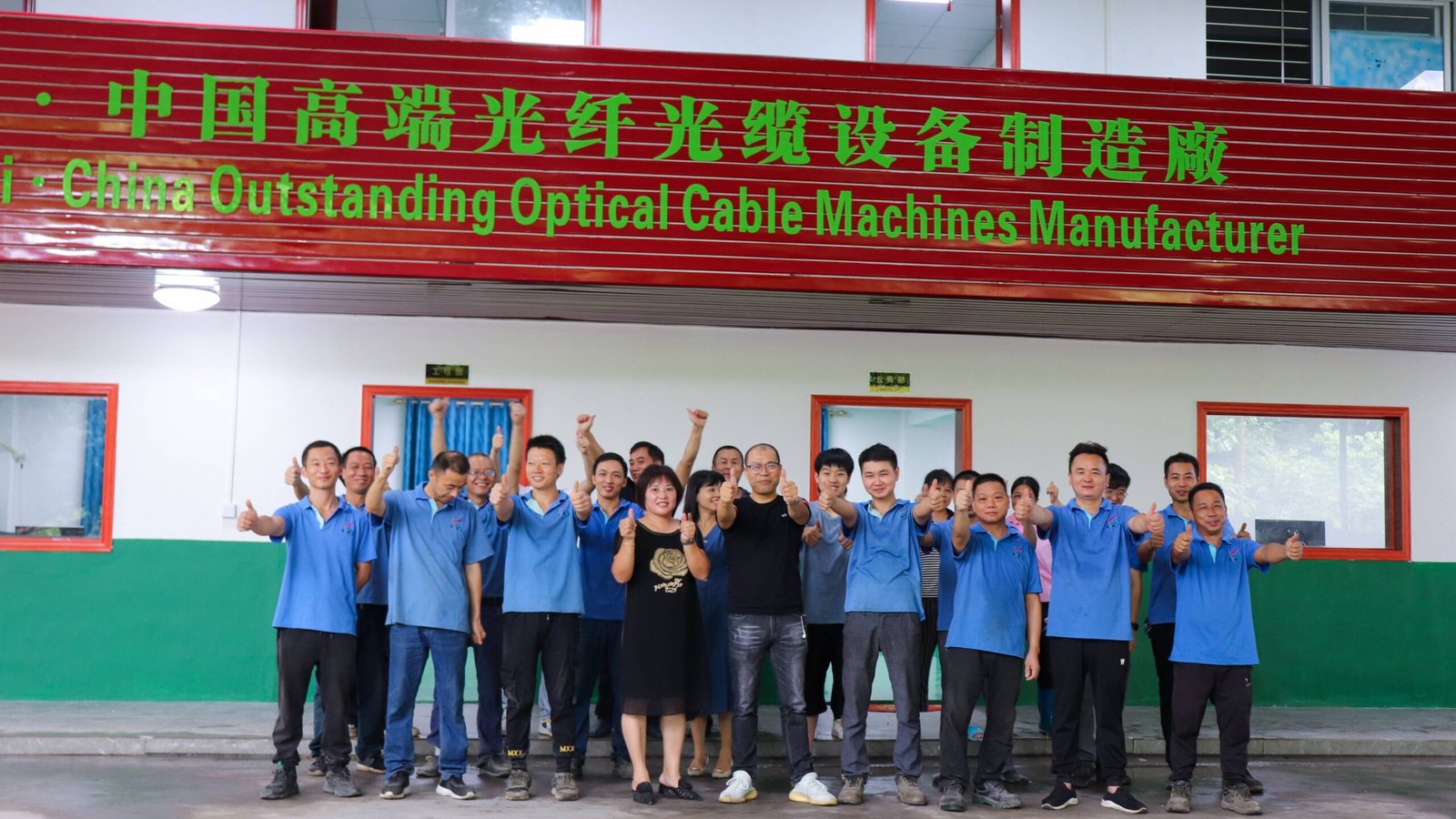
Not a machine catalogue. A responsible project partner.
A cable production line is a connected manufacturing system. Every machine must match the cable structure, target output, electrical standard, factory layout and the next process in the line.
HONGKAI manufactures core cable machinery within its confirmed scope. When a project requires specialist equipment, the manufacturing source and responsibility remain clearly identified in the project proposal.
Manufactured by HONGKAI
Core cable machinery within HONGKAI's confirmed manufacturing, control integration and testing scope.
Review manufacturing scopeQualified specialist machinery
Process-specific equipment selected from suitable manufacturers and identified transparently in the project proposal.
Review source responsibilityOne coordinated project path
One visible route for requirements, configuration, manufacturing coordination, inspection, delivery and after-sales communication.
Follow the project processCapability means reducing uncertainty before production starts.
Each capability connects a customer decision to a practical project output—not simply another machine description.
Requirement analysis
Cable structure, materials, standards, target output, factory utilities, available space and investment stage.
Process engineering
Translate the target cable into a visible manufacturing route before selecting individual machines.
Production-line matching
Balance line speed, capacity, tension, reel sizes, electrical controls and material transfer interfaces.
Manufacturing management
Coordinate HONGKAI equipment and specialist machinery under one manufacturing and inspection plan.
Testing and delivery evidence
Prepare inspection points, technical documents, export packing and shipment around the agreed scope.
Installation and support
Coordinate commissioning, operator training, spare parts and long-term technical communication.
A visible route from requirement to stable production.
The project only moves forward when the previous decision is clear. This reduces configuration changes, hidden interfaces and responsibility gaps.
Define what must be produced.
- Customer requirements
- Cable structure
- Target capacity
- Factory conditions
Build the correct process route.
- Process definition
- Machine configuration
- Equipment source
- Preliminary layout
Coordinate manufacturing and evidence.
- Manufacturing schedule
- Factory acceptance test
- Technical documents
- Export preparation
Move from equipment to operation.
- Site installation
- Commissioning
- Site acceptance test
- Operator training
Maintain one technical contact.
- Production support
- Spare-parts coordination
- Technical communication
- Process improvement
Equipment selection begins only after the cable structure, production route, target output and key technical interfaces have been confirmed.

One responsible contact across the complete production solution.
Peter He · International Project Director & Production Line Integrator
Peter coordinates customer requirements, solution and quotation, manufacturing schedule, inspection, delivery, installation and after-sales communication.
“When a cross-machine problem appears, the customer should know exactly who will coordinate the answer.”
Show the work—
not unsupported claims.
Review real HONGKAI project records from equipment setup and electrical integration through mechanical assembly and export preparation.
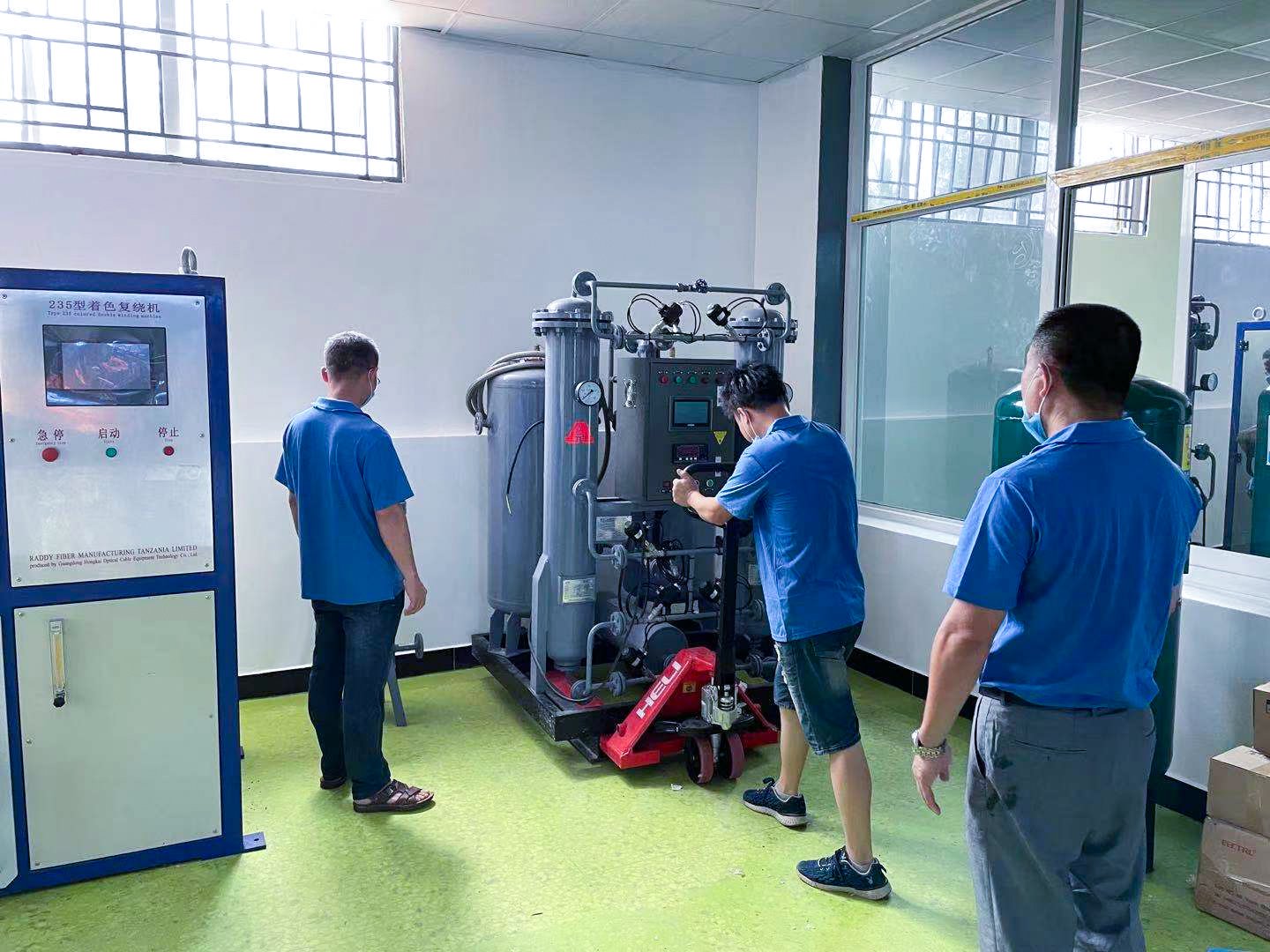
Equipment setup & testing
Equipment installation, adjustment and pre-production testing.
- Real project environment
- Visible work stage
- Clear delivery responsibility
Know exactly
who makes what.
Every proposal should identify the manufacturing source, technical scope and service responsibility for each equipment package before payment and production begin.
HONGKAI-made equipment shown as a defined manufacturing package.
The proposal identifies which equipment packages sit inside HONGKAI’s confirmed production scope. Exact models, modules and process limits remain project-specific.
HONGKAI production scope confirmed for each listed equipment package.
Machine model, configuration, control scope, testing standard and delivery package.
A clear equipment list, factory responsibility and acceptance evidence.
Specialist equipment selected for technical fit—not relabelled.
When a process requires a specialist maker, its manufacturing source and the related interface responsibility are identified in the proposal.
The specialist manufacturer is identified for the relevant equipment package.
Technical matching, interface control, project scheduling and delivery coordination.
A visible maker, inclusion list and responsibility boundary before purchase.
Finished cables, materials and spare parts follow separate commercial paths.
These supply paths may support a customer project, but they are presented separately so buyers can distinguish machinery, materials, spare parts and finished products.
Finished cables, optical materials and spare parts are treated as separate supply paths.
Finished fiber-optic cables only—not presented as finished LAN or electrical cable supply.
A separate quotation with specification, quantity, commercial scope and delivery terms.
One coordinated project—
clear ownership at every handoff.
Coordination should not hide sources. It should make the project owner, execution party, acceptance evidence and escalation path easier to verify before the project begins.
Proposal & contract
Confirm the project route before payment and production.
Contracting entity, payment recipient, manufacturing source, inclusions, exclusions and acceptance basis are identified in the proposal.
- Equipment and source list
- Scope and exclusions
- Responsibility map
Manufacturing & integration
Keep schedules and cross-machine interfaces visible.
HONGKAI or the disclosed specialist manufacturer executes each equipment package according to its confirmed manufacturing scope.
- Manufacturing schedule
- Interface checklist
- Inspection points
FAT & shipment
Connect acceptance evidence with the delivery package.
The responsible manufacturing party performs the agreed checks; HONGKAI coordinates the acceptance route and shipment preparation defined in the contract.
- FAT evidence
- Packing list
- Agreed shipping documents
Installation & start-up
Match site readiness with the agreed support scope.
Remote or on-site tasks, utilities, labour, lifting, trial material, operator support and acceptance roles are assigned before arrival.
- Installation plan
- Training record, if included
- SAT record, if included
After-sales & spare parts
Give every issue a visible owner and escalation route.
HONGKAI coordinates communication while the relevant manufacturer, technical team or parts source handles the confirmed corrective scope.
- Issue owner
- Troubleshooting path
- Recommended parts list
Confirm the project fit
before the quotation.
Share the cable product and project situation first. We can then review the process route, equipment packages, manufacturing source, key interfaces and information still required for engineering.
A complete RFQ is not required for the first review.
Cable product
Drawing, product standard, material structure and size range.
Production target
Target capacity or required stable production speed.
Project situation
New factory, expansion, new product or equipment upgrade.
Factory conditions
Voltage, available space, utilities and existing equipment.
- Likely production route
- Information still missing
- Next engineering step


